
By combining in-depth research on the most crucial arts-related issues facing Southwestern Pennsylvania with advocacy-based government relations and community engagement, the Arts Council champions the economic, cultural, and social impacts of the region
State of the Arts: Research and Reporting
The Arts Council’s research gathers and disseminations data on the most crucial issues affecting the sector today. Through development of responsive and community-engaged research projects and partnerships with national arts research powerhouses like SMU DataArts and Americans for the Arts, Arts Council research regularly reports on the state of the sector in four key areas:
- Periodic measures of the health of the Greater Pittsburgh arts sector, as revealed by use of sets of indicators and through arts community surveys
- Studies of the economic, cultural, and social impacts of arts organizations and their audiences
- Research on special topics raised through community feedback, such as racial equity & arts funding and wages & benefits in the non-profit arts
- Inquiries conducted in collaboration with local partners and multi-site research done with national collaborators
Action-oriented Government Relations and Community Mobilization
Arts Council advocacy catalyzes its learnings from research and community listening toward building a more just and vibrant local arts sector. Through strategic relationship-building, presence at key arts advocacy meetings and events, information sharing, and issue-oriented political action campaigns, the Arts Council drives education and action toward the following advocacy priorities:
- Promote the visibility, reach, and sustainability of SWPA arts & culture sector
- Champion artists and creative workers as architects of SWPA social and cultural capital
- Expand equitable access to arts and culture
- Increase state and national arts funding
Additional Resources
Arts Advocates and Government Funders
National and state arts budgets are regularly debated issues. Government grants comprise a small but significant portion of arts nonprofit funding, as they have been shown to attract investment from other private and public funders. Annual funding appropriations are determined by the House and Senate Appropriations Committees overseeing the U.S. Department of the Interior, Environment, and Related Agencies.
Local Level: City of Pittsburgh and Allegheny County
Decision-Making Bodies
City of Pittsburgh
Take Action
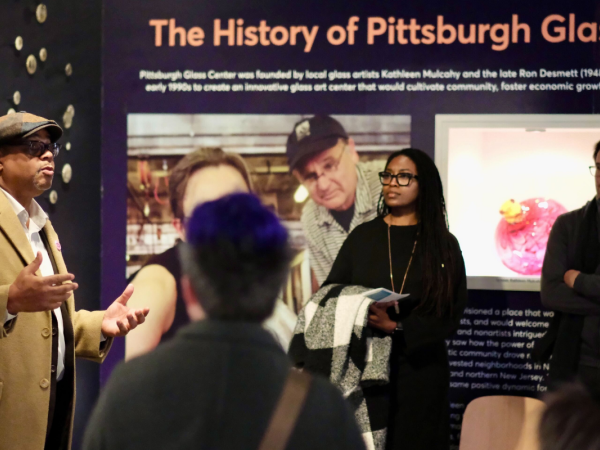
Want more funding to go to the arts? Worried about the lack of state-supported arts education? Connecting with your elected officials is often the easiest — and most effective — way individuals can influence change.
Research Reports
Through development of responsive and community-engaged research projects and partnerships with national arts research agencies, the Arts Council's research below includes reports on the state of the sector in four key areas: