

Demystifying the Arts |
Lineage and Legacy: Creating Within a Continuum
There’s something quietly powerful about standing in the presence of what came before you, and choosing to build upon it. Over the past month, I found myself returning to the theme of lineage and legacy. It’s about more than just what we inherit. It’s about how we carry it forward. In the arts, every note played, print pulled, or line spoken echoes the lives and labor of those before us. And with each act of creation, we shape what’s possible for those who will follow.
Throughout July, I encountered artists across Pittsburgh who are both rooted in history and pushing toward the future. Whether through exhibitions, performances, or community conversations, I was reminded that no artist creates in isolation. We are all part of a continuum, and the choices we make today will become the legacy we leave behind.
On July 11, the Associated Artists of Pittsburgh welcomed its newest members with the opening of their 2025 New Members Exhibition. AAP, the country’s oldest continuously exhibiting visual arts organization, now serves more than 600 artists across the region. This annual juried show is a powerful reminder of an evolving lineage that spans over a century and continues to grow with each new generation of artists.
Later that evening, I joined the third anniversary celebration of Atithi Studios at the launch of their new series, Jam for Good. Starting something new is hard. Sustaining it is even harder. These moments of celebration, whether steeped in tradition or marking a fresh chapter, matter deeply. They reminded me that honoring what has come before and making space for what’s emerging are two sides of the same story.
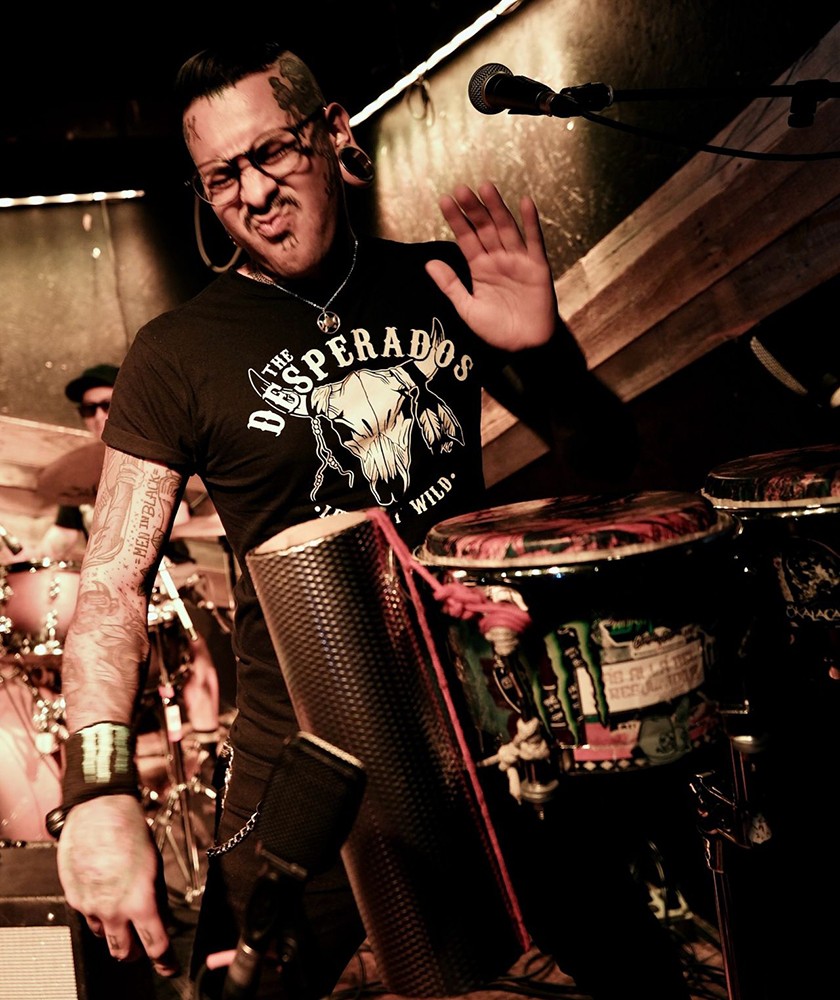
On July 16, the walls of Spirit pulsed with the music of Son Rompe Pera, a band that fuses traditional cumbia with punk energy. The Gama brothers grew up performing marimba music with their father in the outskirts of Mexico City. As teens, they drifted toward punk, ska, and rockabilly. Today, they’ve returned to their roots, reimagining them for the global stage. Their music is proof that legacy is about not just preservation, but also transformation.
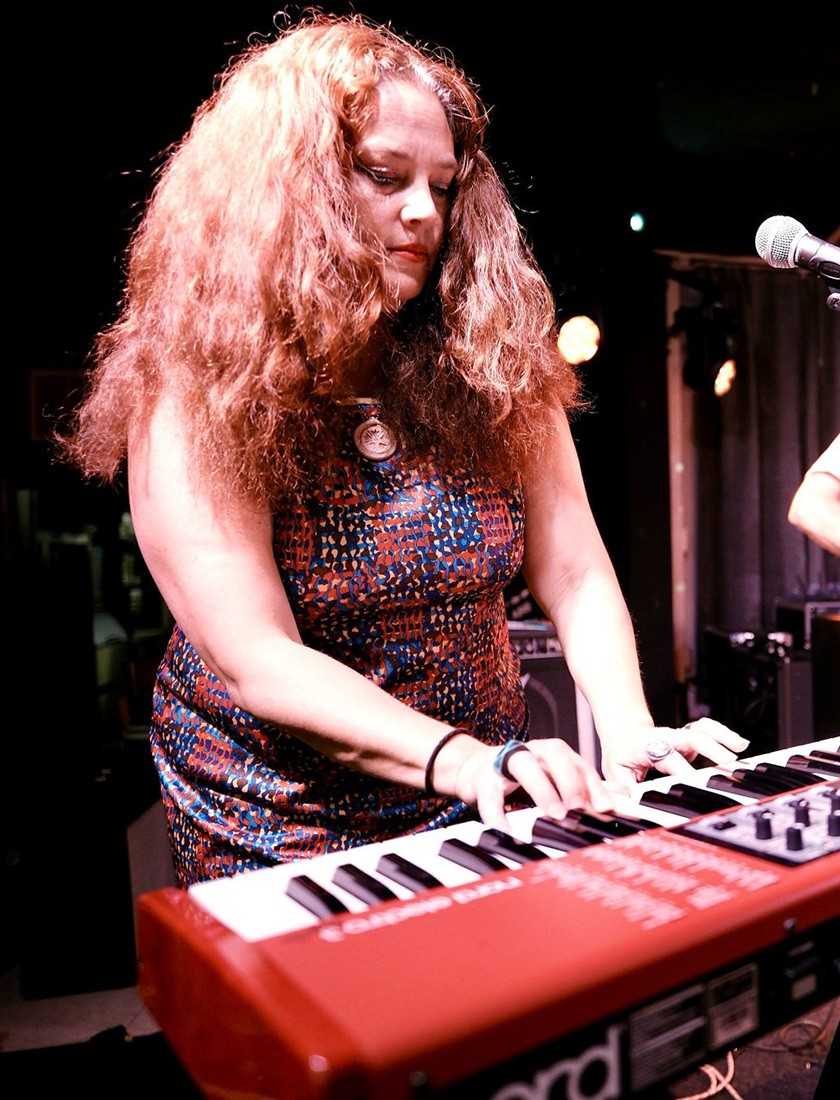
At the Northside Music Festival, held July 19–21, I finally caught a set by The Garment District, the musical project of Jennifer Baron. Her story, which began with childhood piano lessons and stretches across international tours, female labor, and craft culture, beautifully illustrates how artistic practice can span generations and disciplines, anchored in memory, yet open to reinvention.
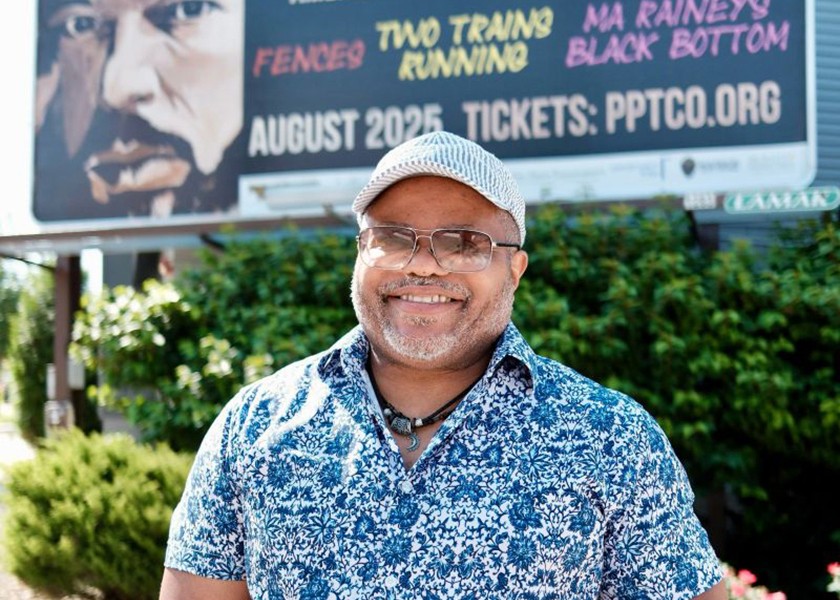
On July 23, I met with director Terrence Spivey, who is directing Fences by August Wilson at the Pittsburgh Playwrights Theatre Company. Over coffee, Terrence spoke with deep gratitude about the educators, actors, and stagehands who helped shape his journey, from Texas to New York, and now to Cleveland. His directing legacy is marked by an unwavering commitment to telling Black stories with authenticity, care, and reverence.
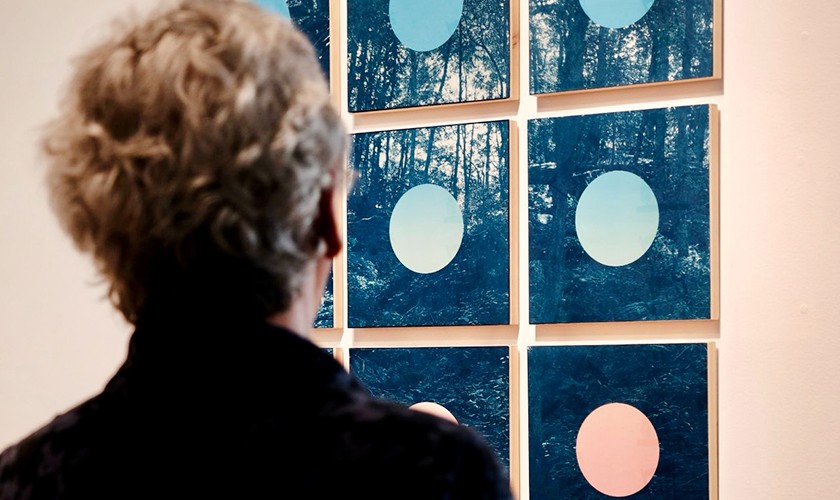
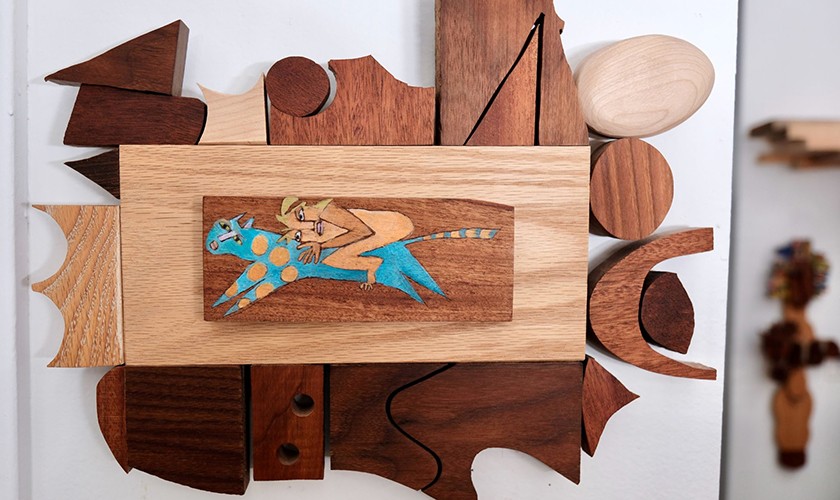
That same day, I visited the studio of Lynne Feinberg, whose sculptures and works on paper are imbued with personal and cultural history. Inspired by her aunt’s shop, which sold Scandinavian furniture alongside African, Asian, and Indigenous art, Lynne creates layered forms from reclaimed wood and memory.
On July 26, I attended My Venetian Grotto, a new exhibition by Atticus Adams at Zynka Gallery. I’ve followed Atticus’ work since arriving in Pittsburgh, and seeing it exhibited twice this summer reaffirmed how legacy can unfold through a body of work that deepens over time, surprising us with each new iteration.
On July 28, I joined a convening co-hosted by BOOM Concepts and the Greenwood Plan, where nearly 20 Black artists and cultural workers came together to explore what infrastructure is needed to support Black artistic legacies in Pittsburgh. Listening to that conversation, I was struck by how legacy is shaped not only by what we make, but by the systems we build, or dismantle, so others can thrive.
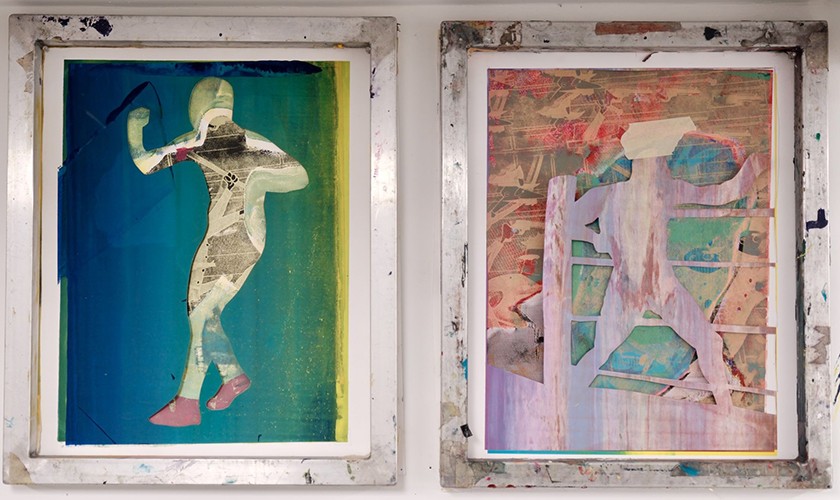
The next day, I visited the studio of Quaishawn Whitlock, whose journey began through an internship at The Andy Warhol Museum. His mastery of printmaking and use of silhouettes powerfully uplifts Black historical figures while confronting patterns of harm that persist today. His newest exhibition, Buffering Vol. 3, opened August 7 at OneValley at the Roundhouse and carries forward themes of presence, memory, and resilience.
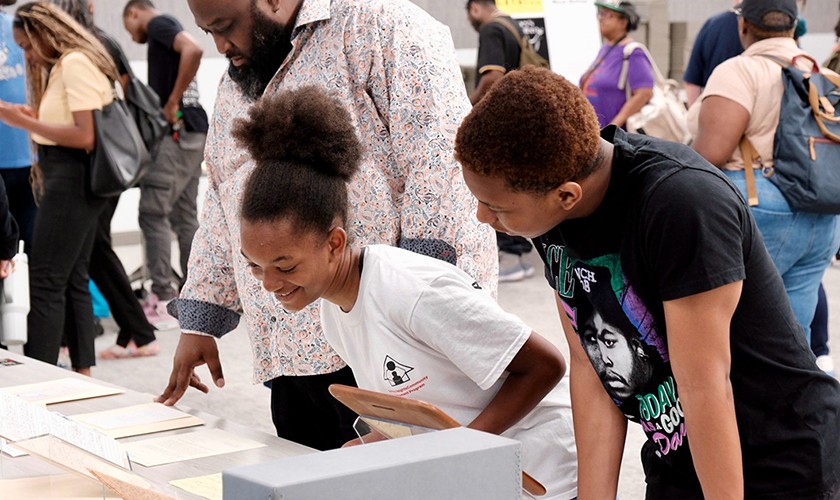
The month concluded on July 31 at the Hillman Library, where cast members from The August Wilson American Century Cycle Experience gathered to engage with the playwright’s original handwritten notes and archival materials. Watching them reflect on Wilson’s influence underscored everything I’d been feeling: legacy is not static. It lives in our bodies, our voices, and our choices. It shows up every time someone steps onto a stage, picks up a brush, or imagines a future shaped by something more just, more joyful, more true.