
Advocacy |
On the Ground, In Community: What We Saw, What We Heard, and What Pittsburgh Must Decide
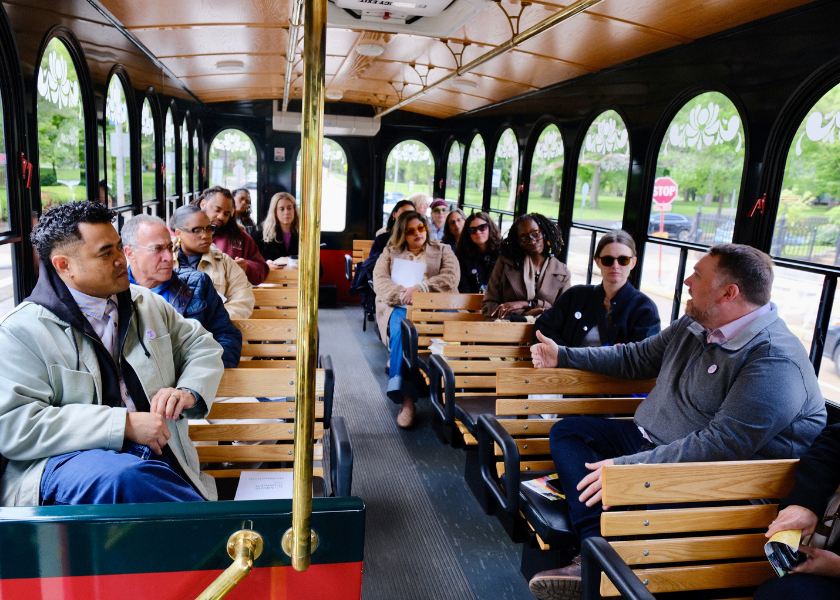
On Friday, May 1, the Greater Pittsburgh Arts Council hosted the second annual On the Ground, In Community trolley tour, bringing elected officials, municipal staff, policy partners, and philanthropic funders on a firsthand journey through the North Side, Sharpsburg, and East Liberty. We visited three nonprofit organizations, the Children's Museum of Pittsburgh, City of Asylum, and Kelly Strayhorn Theater, and two for-profit businesses, ZYNKA Gallery and Atithi Studios, and heard from artists who are making the choice to root their practices in Greater Pittsburgh.
What follows are the themes and moments that stayed with us.
Arts organizations are among the first investors in Pittsburgh's neighborhoods, and the returns are measurable.
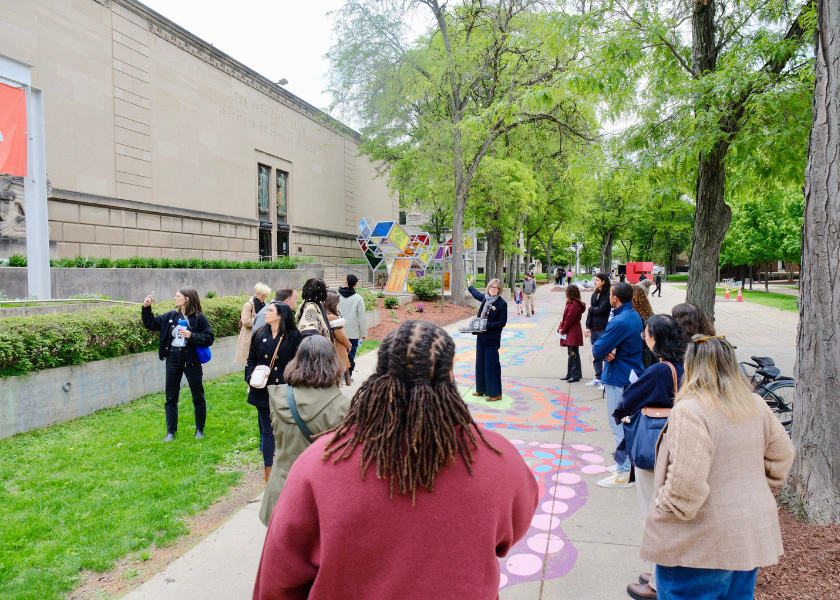
At every stop, the same story surfaced in a different form: an arts-based organization or business chose to invest in a building or block that others had overlooked, and that investment set something larger in motion. The Children's Museum of Pittsburgh was a driving force in the redevelopment of its North Side campus. In addition to redeveloping buildings, it created outdoor spaces that drew community and catalyzed additional development around it.
City of Asylum made some of the earliest investments on North Avenue, transforming dilapidation into what is now Alphabet City. Their redevelopment investments have included mixed-use space, residential housing, and outdoor civic space. In Sharpsburg, both ZYNKA Gallery and Atithi Studios took on buildings in states of serious disrepair, making bets on Sharpsburg’s Main Street and North Canal Street before the neighborhood's current momentum was visible.
These aren't incidental side effects of arts programming. They are what happens when those working within the arts are given the resources to commit to a place.
Affordability gets artists to Pittsburgh. Opportunity is what keeps them here.
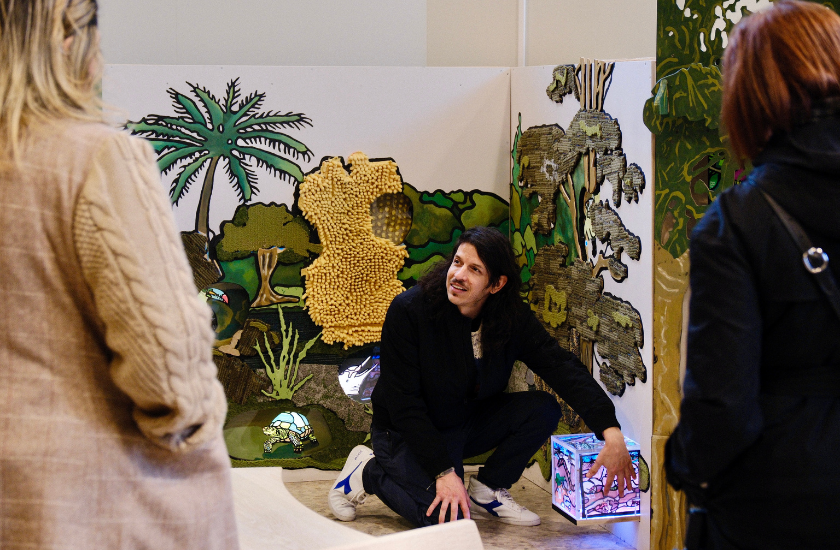
Kelly Jiménez and Alejandro Franco, the Colombian-born artists behind the collective La Vispera, shared why Pittsburgh ranked at the top of their list when they were previously considering cities to relocate to, and why they've stayed for four years now. The answer wasn't cost of living alone. It was the quality of the resources and opportunities available to them here. More concretely: commissions from the Children's Museum enabled them to put a down payment on a home, something they said would not have been possible in Miami.
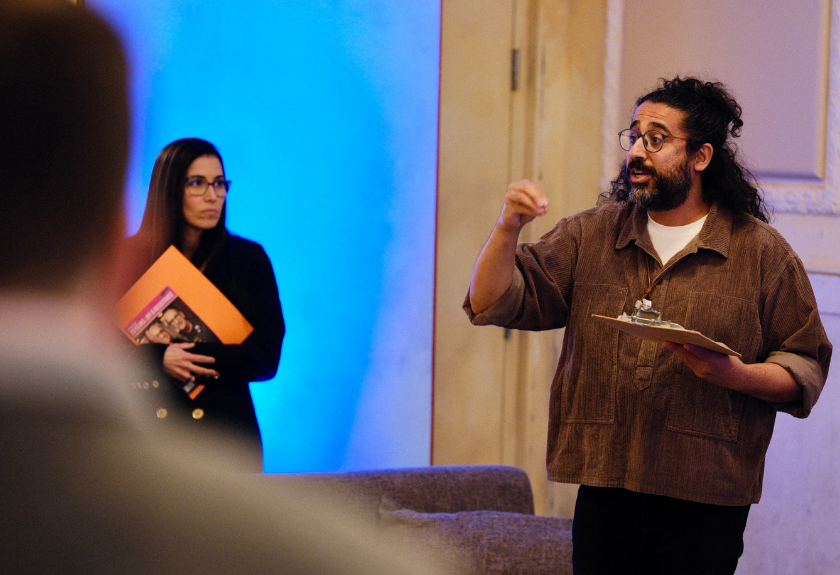
That point was echoed, and sharpened, when we heard from Adil Mansoor at Kelly Strayhorn Theater. Adil was candid: without organizations like KST, he would ultimately have to leave Pittsburgh to sustain a career in theater. KST gives him the infrastructure, the space, partnerships, development support, and audience, to be based here rather than following opportunities elsewhere. KST also actively pushes his work beyond Pittsburgh, helping develop productions that reach broader audiences and open new doors nationally. That combination of a stable home base and genuine outward reach is what makes Pittsburgh a viable long-term choice for a working artist, and it's a direct challenge to anyone who assumes affordability alone is enough. What retains artists is investment in the conditions that allow serious creative work to happen, and to travel.
The ecosystem is only as strong as all of its parts.
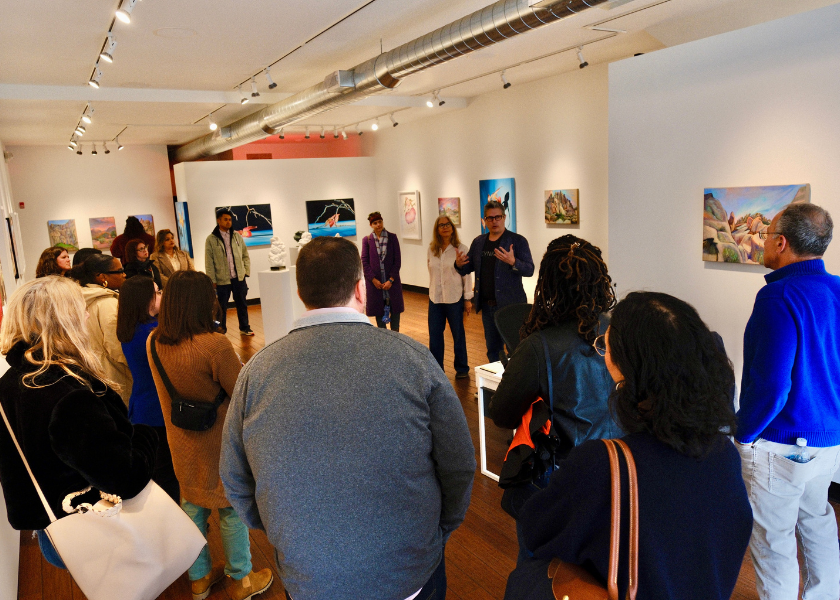
When we talk about the arts ecosystem and cultural sector, we tend to center nonprofit organizations and working artists, and understandably so. But Linda Price-Sneddon, whose work was on exhibit at ZYNKA Gallery, uplifted something that doesn't get said often enough: there are many other roles that are just as critical to the health and longevity of the ecosystem, filled by people who rarely receive the same recognition or support. For Linda, that person is Jeffrey Jarzynka, owner of ZYNKA Gallery — someone who has served not just as a gallerist, but as a coach, mentor, and guide in helping her evolve her work. The relationship between an artist and a gallerist who genuinely invests in their practice, she noted, can be transformative.
Gallerists, art handlers, arts writers, and others like them don't just contribute to the ecosystem, they help sustain it. Yet because many work outside of nonprofit structures or operate for-profit businesses, they are often ineligible for the public funding and philanthropic grants that flow to other parts of the sector. That means the professional development, career-building, and networking that these roles require typically come out of their own pockets. If those parts of the ecosystem were to erode, the broader ecosystem would begin to crumble with them.
Keeping the arts accessible requires more than good intentions, it requires real investment.
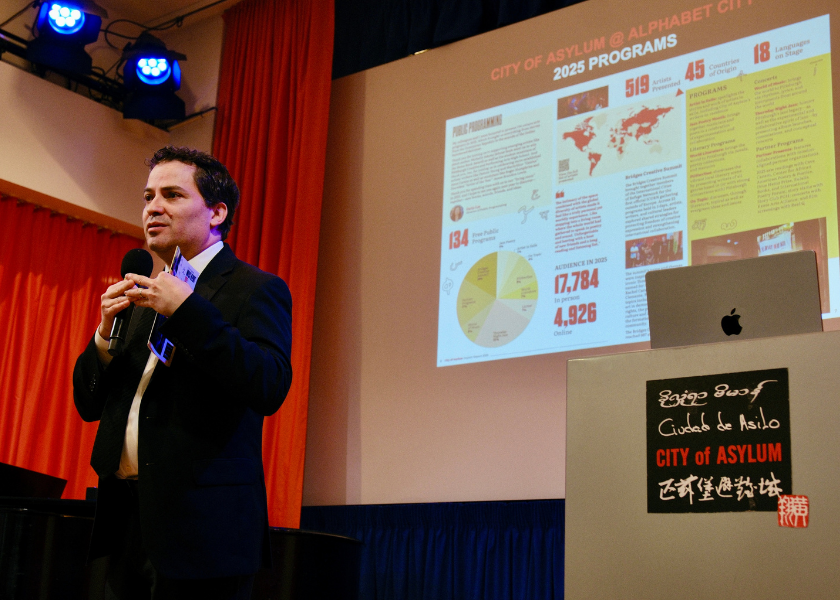
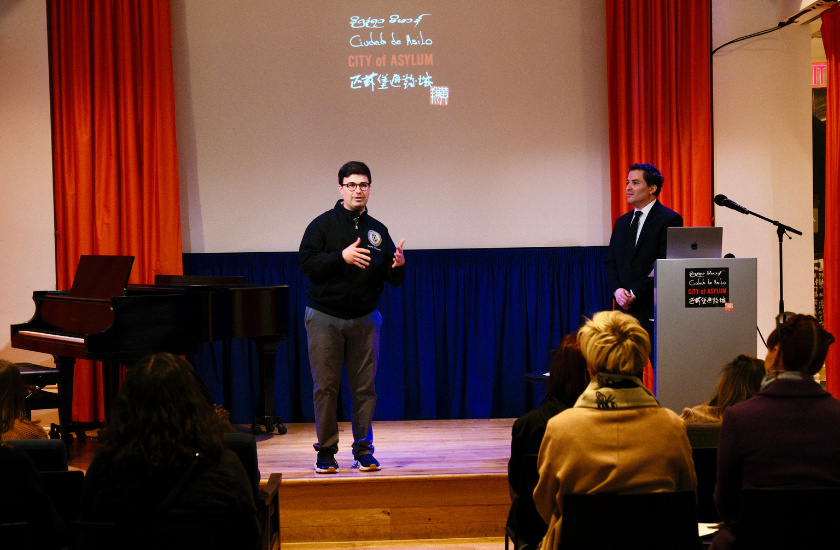
City of Asylum delivers more than 120 public programs each year, all free to attend, all featuring artists who are paid. Andrés Franco, who returned to the Executive Director role on the very day of our visit, spoke to the role these programs play in creating space for thoughtful cross-difference conversation.
But keeping programs accessible, whether free or low-cost, is not simply a matter of organizational will. The costs of developing and delivering programs continue to rise, and no organization can pursue long-term sustainability if it is continually drawing down its financial reserves to keep ticket prices low. The burden of access cannot fall solely on the organizations providing it.
Ensuring that price is never a barrier requires a full development model: public funding and philanthropic grants provide the foundation, but individual supporters and corporate underwriters are equally critical to making that model work.
It also requires awareness. If people don't know these programs and opportunities exist, the access is theoretical. Tools like RAD Pass, which allows any Allegheny County library cardholder to access free and discounted tickets to regional cultural destinations, are an important part of this picture. So is the broader work of making sure more people know what's available to them.
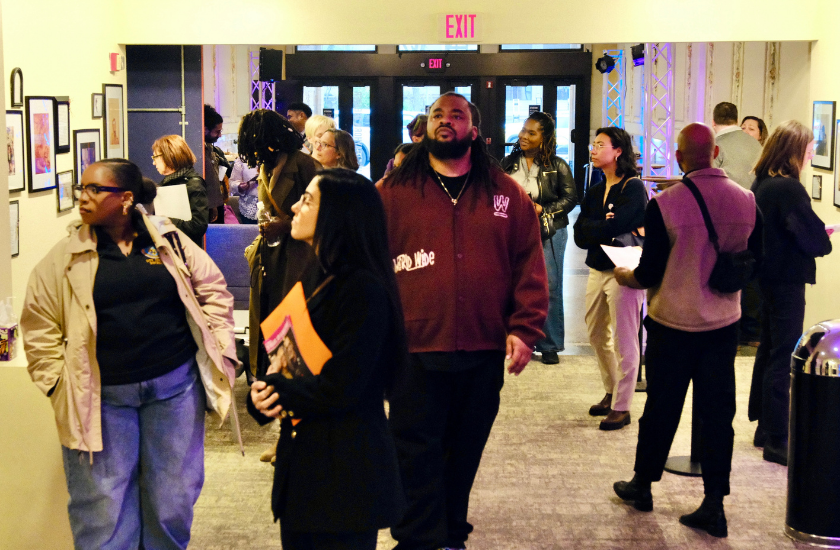
The strongest ecosystems balance what they bring in with what they send out.
Importing work into Pittsburgh creates cross-pollination and gives local audiences contextual references connected to the broader arts market. It also serves a more practical purpose. It means arts audiences don't have to travel to larger markets to have experiences they'd otherwise miss. It keeps people here, engaged and connected to the organizations and businesses in their own city.
Export works the same way, but for artists. When Pittsburgh-created work travels, it allows artists’ practices to stay grounded here while their work finds new audiences elsewhere. And it signals something important: that Pittsburgh isn't just a good place to experience the arts, but a place where important art is being made.
KST actively brings new productions to conferences and performances outside of Pittsburgh, creating pathways for Pittsburgh stories to reach national audiences while the artists who made them remain based here. Galleries like ZYNKA maintain national, and sometimes international client relationships, that put the work of Pittsburgh artists in front of collectors well beyond the region. The Children's Museum also offers a model of what intentional export can look like at scale: roughly one-third of its earned revenue comes from exhibitions it designs and builds in-house that then tour nationally.
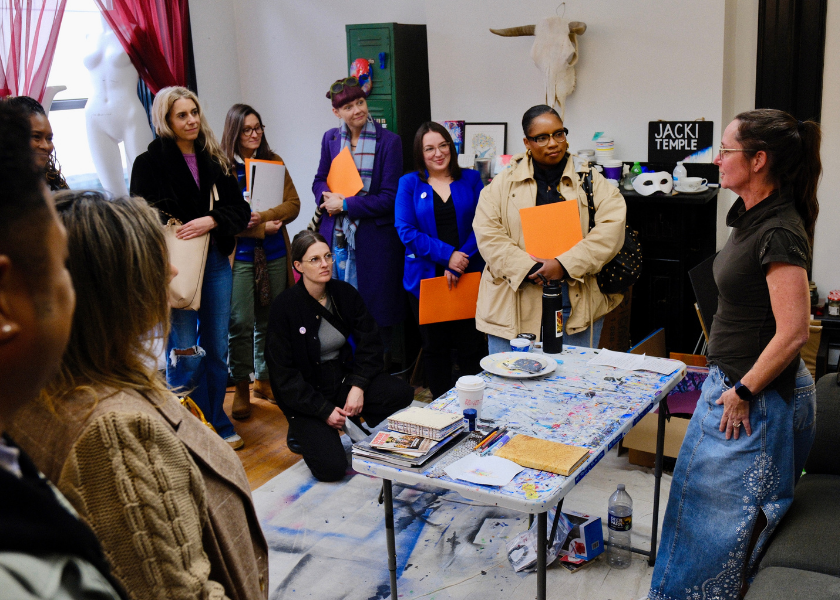
The strongest relationships in the ecosystem are built on reciprocity.
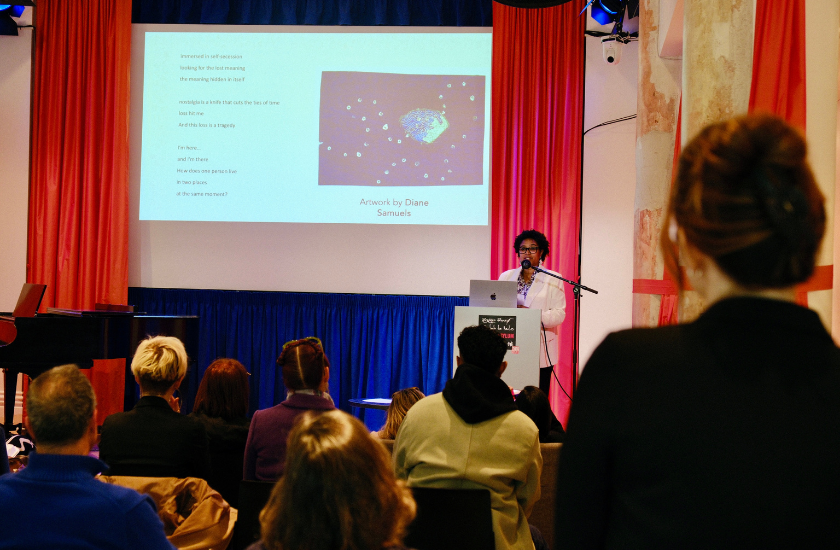
Some of the most instructive moments on the tour weren't about funding or policy, they were about how organizations and artists show up for each other. At City of Asylum, writer and Sudanese activist Rania Mamoun described collaborating with visual artist and City of Asylum co-founder Diane Samuels during the pandemic to create a mural on the exterior of The Malta Foundation's building, just across from Alphabet City. What began as an act of creative survival during an isolating moment became a permanent addition to North Avenue's landscape, a reminder that reciprocity between artists and the organizations that support them can produce things that outlast the circumstances that made them.
Pittsburgh is in the decision seat.
Pittsburgh's arts ecosystem and cultural sector is genuinely strong. Measured against peer cities, the breadth and depth of what exists here is remarkable. That didn't happen by accident. It was built through decades of intentionality, vision, and sustained investment by people who understood that culture is infrastructure.
But we are at an inflection point. Costs continue to rise. Funding continues to narrow. Federal support has been cut or made inaccessible for many organizations. State funding has remained flat for over a decade. In this environment, the organizations, businesses, and artists that make up the arts in Pittsburgh are sometimes navigating opportunity and crisis simultaneously, often within the same fiscal year, sometimes within the same month.
What that means, in practice, is that Pittsburgh is now in the decision seat. The choices made by public officials, philanthropic leaders, corporate sponsors, and individual donors in the near term will determine what gets sustained and remains an asset for generations to come, and what gets left behind. That is not a hypothetical.
The weight of this moment deserves to be named plainly. These are not decisions that can be made by looking at bottom lines alone. They require a clear-eyed understanding of what has been built here, what it took to build it, and what would be lost, for neighborhoods, for artists, for arts patrons, and for the city's social fabric, if it were allowed to erode.
On the Ground, In Community is a signature advocacy initiative from the Greater Pittsburgh Arts Council that provides a first-hand look at how arts investment is transforming neighborhoods. The tours bring elected officials and philanthropic partners together for a curated look at the strength of our region’s arts ecosystem and how public and private dollars are leveraged to sustain impactful work. If you’re interested in bringing a similar tour to your organization, contact CEO Patrick Fisher at pfisher@pittsburghartscouncil.org.