
Arts Advocacy |
From Awareness to Action: Building Artist Equity Through Advocacy
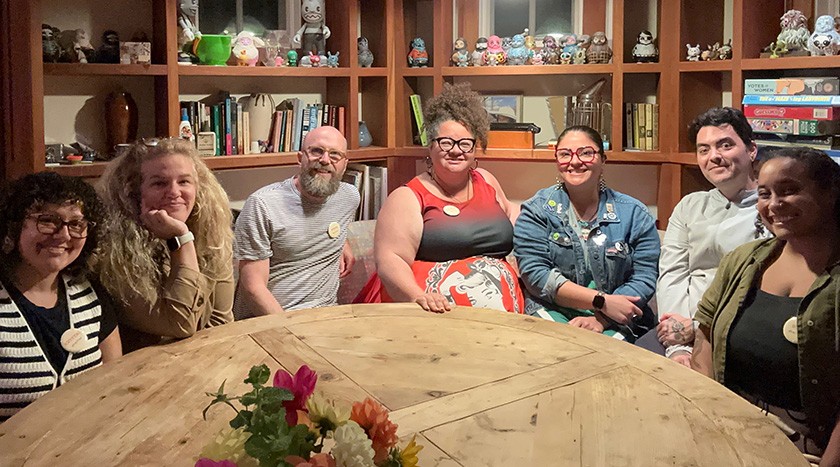
Two weeks ago, I had the opportunity to participate in the Center for Artistic Activism’s Innovation for Impact Leadership Intensive, leading to the development of a new advocacy campaign.
This leadership experience is designed to equip advocacy leaders with proven tools and creative strategies to design and implement transformative campaigns. With only four leaders selected nationwide for the Fall 2025 cohort, I was honored to represent the Arts Council in this unique opportunity.
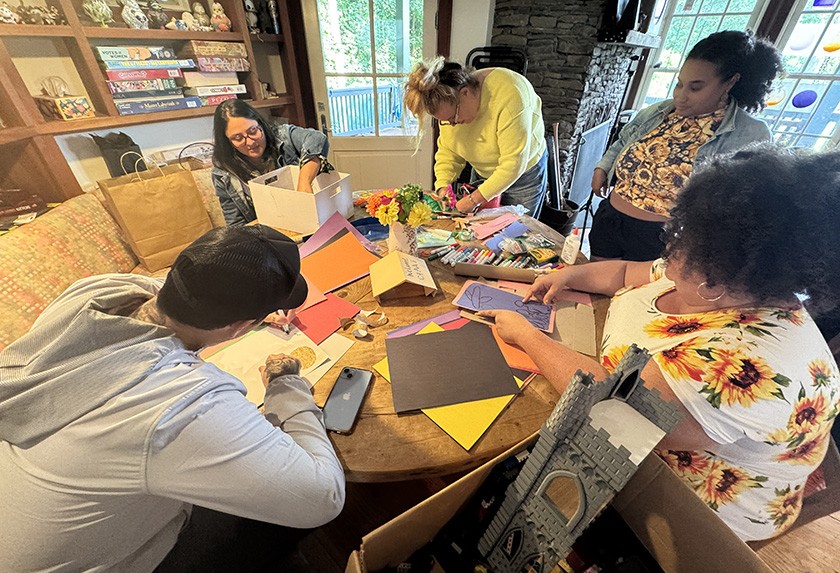
Over four days, I was introduced to C4AA’s powerful methodology for harnessing creativity to spark action and drive real change.
Since 2009, C4AA has trained more than 4,000 artists and activists in over 20 countries. Their work has supported movements for reproductive justice, anti-corruption, antiracism, immigrant rights, climate action, LGBTQ+ inclusion, and more.
I was thrilled to join C4AA in the Hudson Valley and learn alongside my fellow cohort members Jocelyn Foye (The Womxn Project Education Fund), Clarissa LaGuardia (California Center for Civic Participation), and Tigress Osborn (National Association to Advance Fat Acceptance).
But my participation doesn’t end with the intensive.
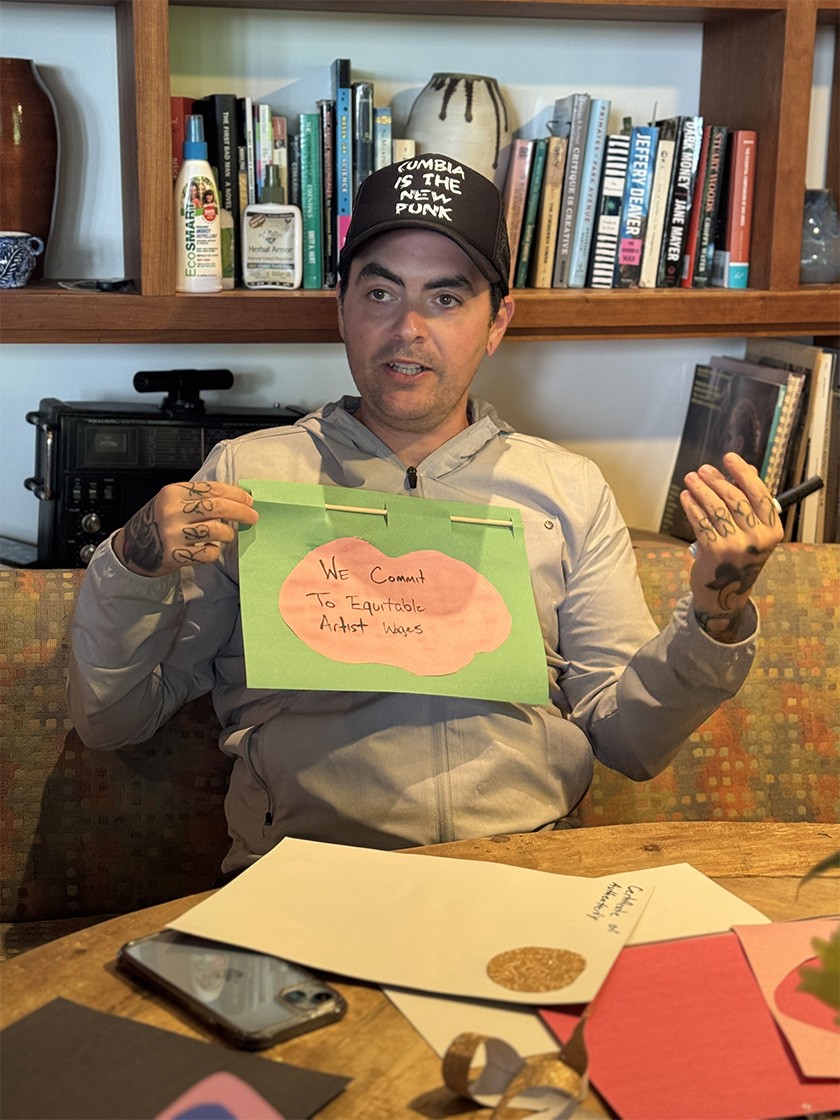
In the months ahead, I’ll continue collaborating with my cohort and receiving mentorship from C4AA staff as the Arts Council develops and launches an advocacy campaign grounded in meaningful action. This focus on action is critical: as C4AA emphasizes, raising awareness alone is not enough. Without clear opportunities to act, people can feel overwhelmed or even hopeless. That’s why every effective campaign must move beyond awareness to offer pathways for engagement and change.
As part of the intensive, I was asked to choose an issue where I believe the Arts Council can drive meaningful change. While the national landscape feels chaotic and the state level stagnant, I decided our focus should be local: artist equity.
Several times each month, we’re asked to promote competitive opportunities that demand unpaid labor from artists. These often take the form of RFPs requiring detailed proposals as part of the submission, or calls that ask for free design work with the vague promise of “exposure” or, at best, the possibility of a modest stipend if selected. As an organization, we take a clear stance against promoting these kinds of calls and have worked to educate those issuing them, with the hope that their practices will evolve once they understand the harm.
Still, I believe we can go further. By applying the methodology I learned through C4AA, we have an opportunity to drive deeper, systemic change around this issue.
Additionally, over the past two years, I’ve spoken with many artists who shared that most of their opportunities in Pittsburgh come through the nonprofit sector. In part, this reflects a kind of trickle-down economics: foundations fund arts organizations, and those organizations in turn create opportunities for artists. Yet, I’ve also heard repeatedly about the pain points artists experience in navigating these opportunities, and how equity often doesn’t feel centered in the process.
That tells me we can do more.
We have an opportunity to uplift the compensation standards set by Working Artists and the Greater Economy (W.A.G.E.) and to partner with arts organizations in understanding the internal barriers that may prevent them from adopting and upholding these practices. By working together to address and resolve those constraints, we can position our sector as a true model for equity.
How does a campaign focused on these issues resonate with you? Are there other challenges facing our local arts ecosystem that you believe should take higher priority? We’d love to hear from you.
UPDATE—Wednesday, October 15, 2025
Thank you to everyone who took the time to submit feedback on this campaign. We're excited to share updates in our next Advocacy in the Arts newsletter. If you don't yet subscribe, you can join our mailing list here: Email Sign Up