
Guest Blog |
Strong Public Art Ecosystems Require Collaboration
This first-person essay is part of a series on arts and public policy, published ahead of the Greater Pittsburgh Arts Council’s Policy and Action Roundtable on March 5.
As an architect and public arts administrator who has worked in Pittsburgh for more than three decades, I’ve had a front-row seat to the shifting ways artists are invited — or not invited — into the shaping of our public realm.
I’ve worked inside public agencies, in the private design sector, and now in the nonprofit arts ecosystem. Moving between these spaces has given me a deep appreciation for their distinct strengths, and an equally clear understanding of their limits. If we want a public art ecosystem that is resilient, equitable, and responsive to our communities, we have to intentionally leverage what each sector does best, and we have to do it together.
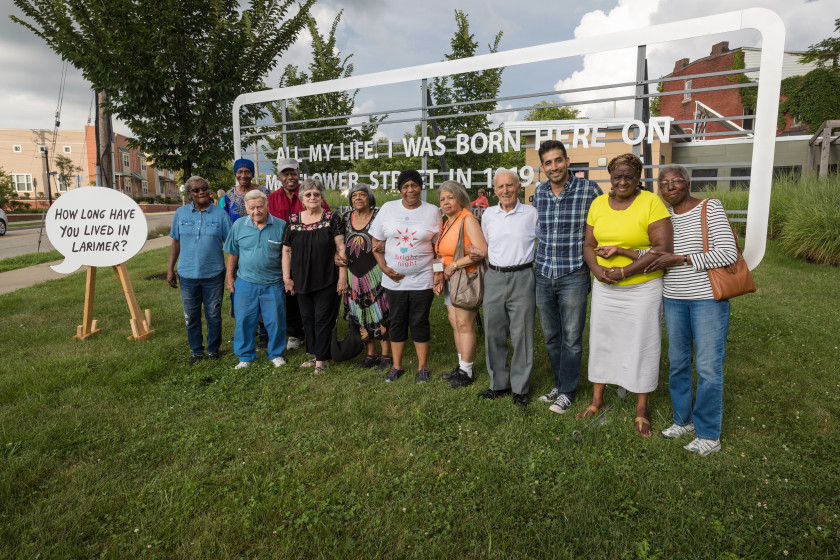
I am, at heart, someone who believes in dreaming big. Artists help us imagine futures that don’t yet exist and ask questions that our systems often aren’t designed to hold. I see this power in the work of Alisha B. Wormsley and Jessica Gaynelle Moss through Sibyls Shrine, a residency program that centers Black artists who m/other. I see it in Edith Abeyta’s long-term collaboration with the Greater Hazelwood community to bring Arts Excursions Unlimited into being. And I’ve seen it in the careful, deeply relational practice of John Peña, whose work with senior community members in Larimer demonstrates how listening, observation, and trust can be translated into meaningful public outcomes. These projects are not ornamental; they are civic infrastructure.
At the same time, the reality is that this kind of work far exceeds the capacity of our public agencies to deliver alone. Municipal departments operate within constraints that are structural and unavoidable — staffing limits, procurement rules, political cycles. Expecting the public sector to carry the weight of experimentation, relationship-building, and long-term stewardship sets everyone up to fall short. That’s where the nonprofit and private sectors come in: to provide flexibility, continuity, risk-tolerance, and deep community connection.
About the Author
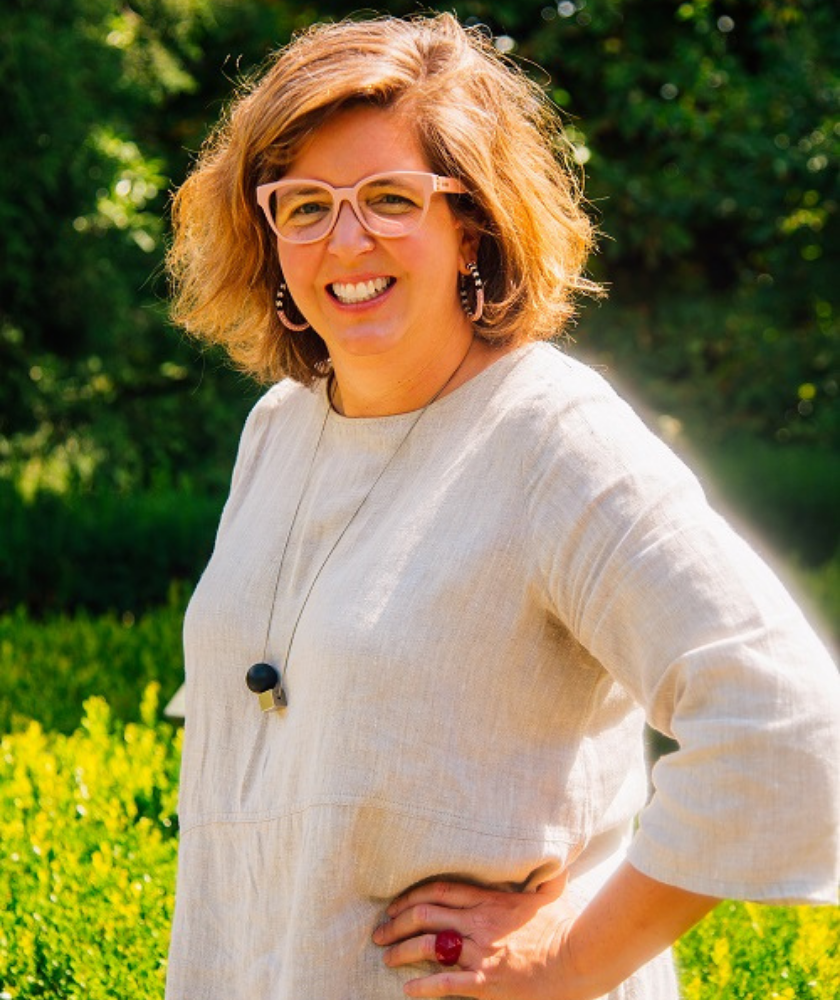
Sallyann Kluz, AIA, is an arts administrator, architect, and urban designer based in Pittsburgh, with over 25 years of experience at the intersection of art, community, and public space. Her practice focuses on creating vibrant, inclusive spaces that reflect the needs and aspirations of the people who inhabit them. By weaving together public art programs, community engagement, design education, and neighborhood development strategies, she aims to expand the role of artists in civic and community life.
Driven by a belief in the transformative power of art and design, Sallyann is passionate about using creative strategies to empower neighborhoods, foster connections, and reshape public spaces. Prior to joining Shiftworks, she spent 15 years as an associate and project architect with Loysen + Kreuthmeier Architects, and also worked as an urban design and planning consultant on various community-centered projects across the Pittsburgh region.
She holds a Bachelor of Architecture with a Minor in Art from Carnegie Mellon University, where she has also taught courses in urban design and architecture. Her studies in Copenhagen and Vienna and travels in East Africa deepened her love for civic spaces and community-centered design. As a registered architect, she stays active in civic life through leadership roles with Neighborhood Allies, The Village Collaborative, and other community organizations.
Policy and Action Roundtable
If you’re interested in learning more on how public art and policy shape our communities, join us for the Greater Pittsburgh Arts Council’s Policy and Action Roundtable on Thursday March 5 at Point Park University.
This convening will bring together artists, cultural workers, nonprofit leaders, and Pittsburgh Mayor Corey O’Connor and Allegheny County Executive Sara Innamorato for a discussion on shared priorities, policy barriers, and opportunities for collaboration that shape the future of Pittsburgh’s cultural ecosystem.
Policy and Action Roundtable. Thursday, March 5, 9-11:30 a.m. Point Park University Ballroom, 201 Wood St., Downtown. $15. Learn more at pittsburghartscouncil.org/events/policy-and-action-roundtable.