

Guest Blog |
Arts are Part of a Healthy Neighborhood
This first-person essay is part of a series on the importance of arts and culture as a strategy in health and wellness, published ahead of the Greater Pittsburgh Arts Council’s Policy and Action Roundtable focused on Social Prescribing on November 4.
When I was a toddler, my parents left apartheid-era South Africa in 1977 and immigrated to a small, coal-mining town in eastern Pennsylvania. Only a small fraction of my high school class went on to attend a four-year college. Many of my friends received food assistance, and a handful lived in subsidized housing. Contrasting our life in Pennsylvania with my family's reasons for leaving South Africa, I learned just how much income, race, and geography shape everyday life and decisions. Later, I went on to study urban studies and anthropology in university, and then spent two and a half years in a West African village with the Peace Corps. Today, as a social epidemiologist at the University of Pittsburgh School of Public Health, I measure how the places where we live get under our skin.
For more than a decade, my team and I have followed residents of Pittsburgh's Hill District and Homewood. We began by studying whether opening a full-service supermarket in the Hill would improve diet — a project that has since grown to examine other neighborhood investments, including greenspace, housing, and commercial development. After the supermarket opened, residents' satisfaction with living in the Hill rose from about 66% to 80%.
Other researchers have found similar effects elsewhere. In Los Angeles, for example, researchers found that two years into a comprehensive public housing redevelopment, children living in the community experienced an approximately 15 percentage point lower increase in overweight and obesity prevalence compared to those in nearby unchanged neighborhoods, possibly driven by increased local physical activity and fewer sugar-sweetened beverages.
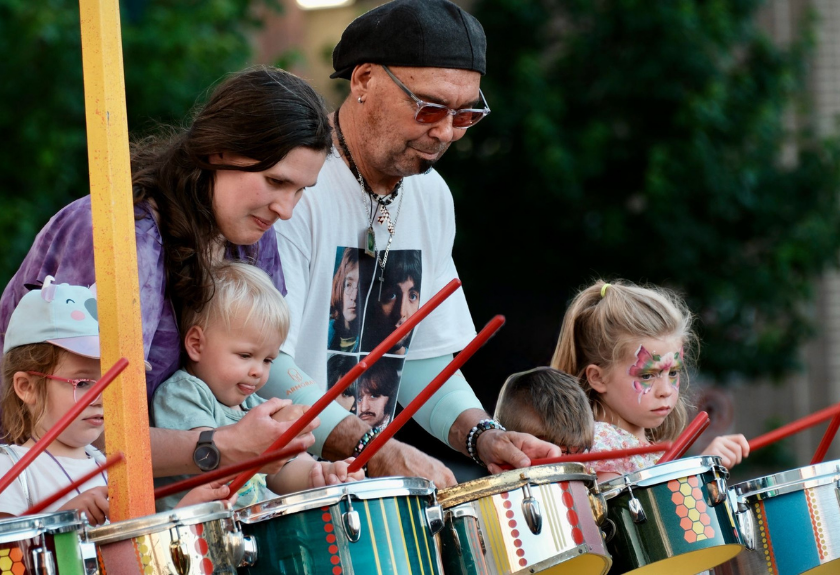
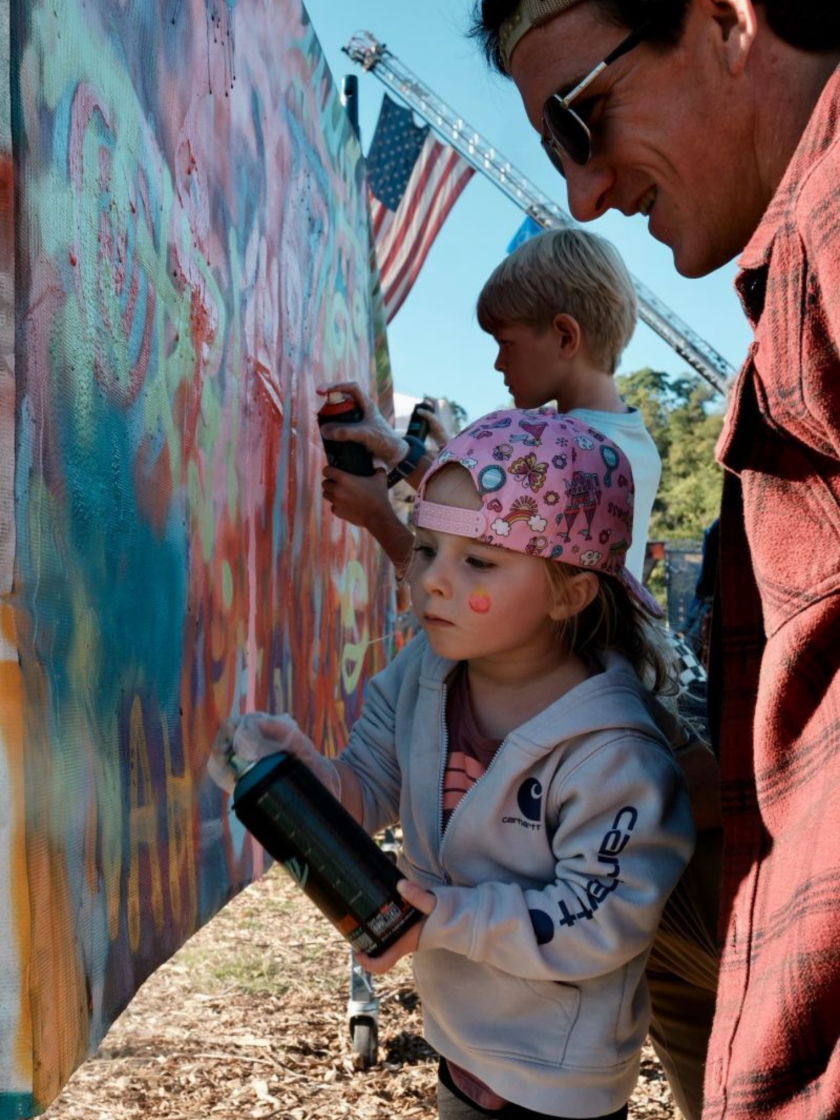
Through this research, we’ve learned that the health and well-being of residents is built into the fabric of a neighborhood. Anchors like libraries, parks, grocery stores and local arts programs give people reasons to leave home and be with one another. Here in Allegheny County, the need for that kind of connection is substantial, and it spans the life course.
Allegheny County holds the second highest concentration of older adults among the nation’s largest counties, and more than a third of those aged 65 and older live primarily alone, per a 2022 report from Pitt’s University Center for Social and Urban Research. Access to arts provides a research-backed buffer. When researchers in the United Kingdom tracked more than 6,000 English, community-dwelling older adults, they found that a routine of visiting museums or theatres cut the risk of mortality by just over 30%. This was independent of demographic, socioeconomic, health related, behavioral, and social factors. Yet we know that those who needed this cultural armor the most were the least likely to have access to it.
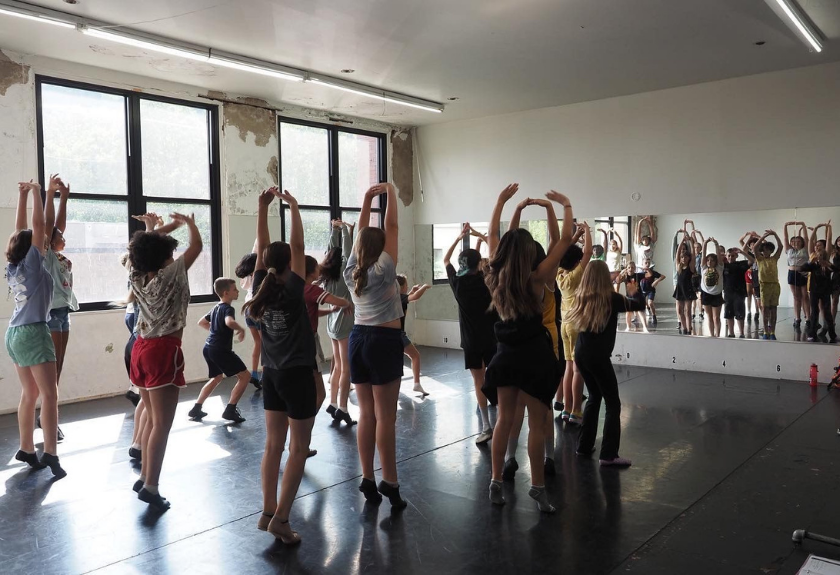
Nationally, a 2025 report from the Centers for Disease Control and Prevention found that 33% of high schoolers report persistent feelings of hopelessness, while one in seven has seriously considered suicide. A 2024 University of Pittsburgh and UPMC study mapping youth mental health across Allegheny County found that high schoolers in ZIP codes with more community assets — like transit, schools, and health services — were significantly less likely to report feelings of hopelessness. In some of our neighborhood ZIP codes, nearly half of all students reported persistent hopelessness. While the study tracked general social hubs, it did not isolate arts and cultural organizations. This is a critical gap we must close; these creative spaces are exactly the kind of low-barrier, close-to-home environments where young people find belonging and purpose.
Meanwhile, our safety net systems are severely stretched. A recent Allegheny County Controller audit reviewing mental and behavioral health programs from July 2023 through June 2024 found that the county lacks a centralized waiting list for services, forcing families into a complex, bureaucratic maze. Median wait times for care range from 50 to 119 days, depending on the program, and in the most extreme case, an individual had been left waiting for nearly six years. These bottlenecks show a stark reality. cannot simply treat our way out of a public health crisis of this scale using clinics alone.
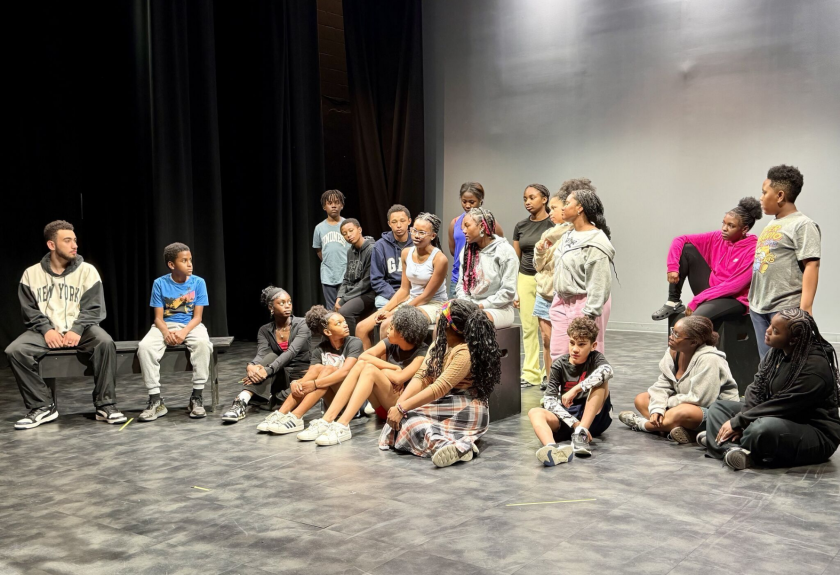
This is where social prescribing and the arts come in. A choir, a community writing group, a neighborhood studio, or a youth theater can serve as a front door to connection, reaching people before a crisis and sustaining them while they wait for formal care. These organizations are neighborhood assets in the same way a supermarket or a park is, and they deserve the same rigorous investment and evaluation.
If we want healthier neighborhoods across Allegheny County, we must count the arts as part of our core health infrastructure — and fund them accordingly.
About the Author
Tamara Dubowitz is a social epidemiologist and an expert in food insecurity, neighborhood influences on health, and the health impact of social and nutrition policy. Her research focuses on the role of place and geography in shaping the health and health behaviors of marginalized populations, particularly in view of policies affecting housing, urban planning and food security. Over the past 20 years, she has built multidisciplinary research teams and led projects that bridge academic institutions and historically disinvested communities.
Policy and Action Roundtable
Across the country, health systems, policymakers, and people-centric organizations are turning to social prescribing, connecting people to non-clinical, community-based resources, including the arts, as part of how we support health and well-being. Southwestern Pennsylvania has the ingredients to build something real here: a strong arts ecosystem, engaged health systems, and policymakers ready to listen. On November 4, we are convening a room where we hope to bring those pieces together.
We're bringing together leaders from the arts field, policy, philanthropy, and healthcare to move past the concept and into specifics:
- Where, and in what ways, can social prescribing deliver real impact in our region?
- What could social prescribing mean for our regional arts ecosystem?
- What policy and funding infrastructure needs to be built to support it?
This is the second in the Arts Council's Policy and Action Roundtable series, designed not just as a conversation but as a working session, panel insight, small-group discussion, and shared next steps, so that everyone in the room leaves as a thought partner rather than a spectator.
Policy and Action Roundtable: Social Prescribing in Southwestern Pennsylvania. Wednesday, November 4. 9-11:30 a.m. Manchester Craftsmen’s Guild - MCG Jazz Concert Hall, 1815 Metropolitan St., North Side. $15. Learn more at https://www.pittsburghartscouncil.org/events/social-prescribing.