

Advocacy |
2026 Election: Where Southwestern PA Candidates Stand on the Arts
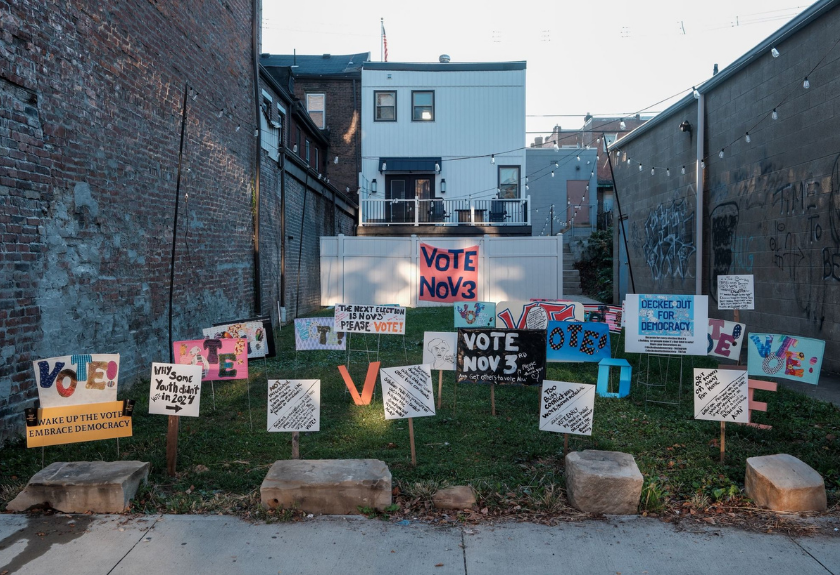
Ahead of this year’s general election, the Greater Pittsburgh Arts Council partnered with fellow arts nonprofits Creative Pennsylvania and the Greater Philadelphia Cultural Alliance to ask candidates across the state how they’re incorporating the arts into their platforms.
To help voters in our region learn where candidates stand, the Arts Council invited candidates for Congress and the Pennsylvania House and Senate to answer five questions about the arts. While we are disappointed by the number of responses we received, the answers we did receive appear below as submitted. Candidates we reached out to multiple times who did not respond are listed at the end of this post.
Before you vote
Election Day is Tuesday, Nov. 3, and polls are open from 7 a.m. to 8 p.m. Find your polling place at vote.pa.gov. If you are voting by mail, your county election office must receive your completed ballot by 8 p.m. on Election Day.
Additional resources
Americans for the Arts' 2026 Congressional Arts Report Card shows how members of Congress have supported the arts. The Report Card summarizes incumbents' voting records, sponsorship of arts legislation, and participation in cultural caucuses.
We also recommend reviewing the following local voter guides:
Candidate responses
We asked congressional candidates a different set of questions than state candidates, but none of the congressional candidates responded.
We asked state candidates the following questions. Responses are listed by office and district and appear as submitted.
- The role of the arts: What role do you believe the arts and culture play in the social, educational, civic, and economic life of Pennsylvania and your district? What role do you believe state government should play in supporting that work?
- State investment: Pennsylvania has historically invested significantly less in the arts on a per-capita basis than many other states. FY 26-27 marks the first increase to that investment in 16 years. Would you support continued growth in the Commonwealth's investment in the arts? If so, what level of investment do you believe is appropriate, and what would you do as a legislator to advance that investment?
- Challenges facing the sector: Pennsylvania's arts and cultural sector includes nonprofit organizations, commercial businesses, community groups, arts practitioners, educators, and culture bearers across every region of the Commonwealth. What do you believe are the most significant challenges facing this ecosystem, and what policies or legislative actions would you support to strengthen its long-term sustainability?
- Pennsylvania Council on the Arts: The Pennsylvania Council on the Arts is the Commonwealth's primary state agency for supporting and strengthening the arts. What do you believe the Council's role should be, and what would you do as a legislator to ensure that it has the resources, leadership, and authority necessary to fulfill that role?
- The creative workforce: Many arts organizations and individual artists operate with limited financial resources and face challenges related to workforce capacity, facilities, health care, compensation, and access to capital. What state-level policies or investments would you support to strengthen the working conditions and economic stability of Pennsylvania's creative workforce and arts organizations?
Pennsylvania State Senate
Lindsey Williams (Democrat), Senate District 38
Senator Williams represents District 38 in Allegheny County, which includes parts of the City of Pittsburgh and most of Northern Allegheny County.
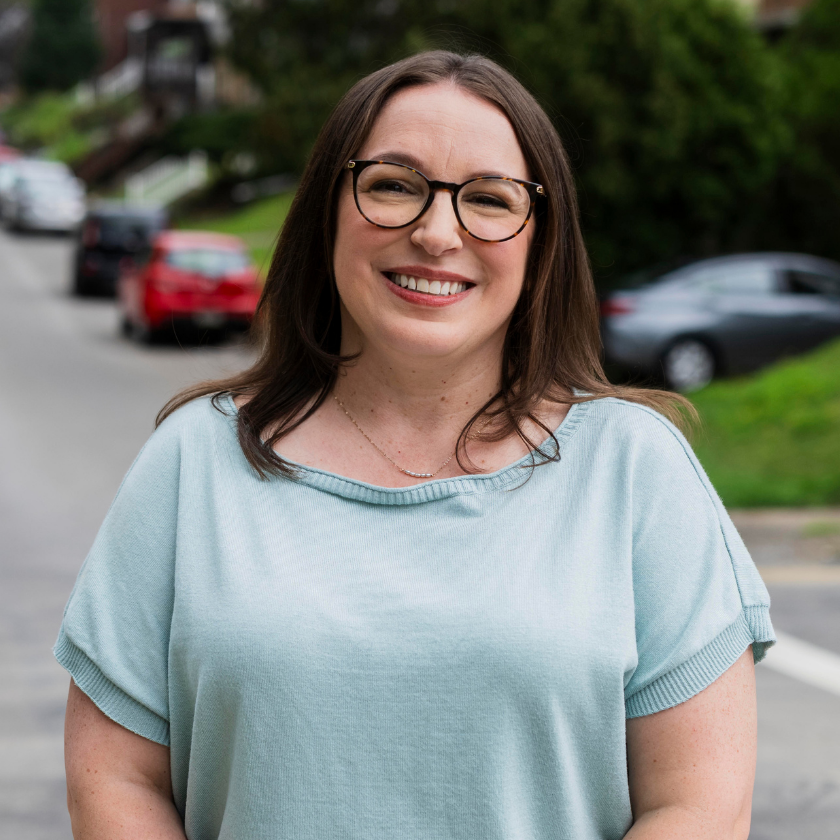
She serves as the Minority Chair of the Senate Education Committee and as a Board Member of Pittsburgh Regional Transit (PRT), the Pennsylvania Higher Education Assistance Agency (PHEAA), and the State Board of Education.
Lindsey earned her undergraduate degree from Dickinson College in Carlisle. Lindsey then attended Duquesne University School of Law, where she focused on protecting workers' rights, following the example of her dad, who supported their family as an Operating Engineer in his local union.
After law school, Lindsey joined the National Whistleblower Center, where she worked to expose corruption and advocate for whistleblower protections. When she and several coworkers attempted to unionize, they were illegally fired. Lindsey refused to be silenced and took her case to the National Labor Relations Board.
Lindsey continued her work on behalf of working people at the International Brotherhood of Teamsters, helping members organize strikes and labor actions across the country. She then returned to Pittsburgh to work for the Pittsburgh Federation of Teachers.
In 2018, with the support of workers, educators, parents, and community members across the district, Lindsey won her race for State Senate by just 793 votes. She's taken that responsibility seriously every day since by fighting for working families, honest government, and policies that better people's lives.
In her spare time, Lindsey enjoys being with friends, family, and her adorable dog Willow.
The role of the arts
Arts and culture play a huge role in the social fabrics of our communities and in doing so, are huge economic drivers to our region and the entire Commonwealth of Pennsylvania. The state must recognize, encourage, and reward that work.
State investment
Yes, I plan to continue supporting increased investment in the arts - they help bring vibrancy and character to our communities as well as invest in local small businesses and entrepreneurs. This year’s increase is positive, and it must continue to be funded in next year’s budget, but we should avoid prolonged periods of stagnant funding in the future. Investing in the arts yields large returns and the state should recognize that.
Challenges facing the sector
When I talk to organizations and individuals in my district who are a part of this ecosystem, I hear from them that they are struggling with funding for both hard investments like their aging buildings or equipment in addition to funding for professional staff for their organizations. The grants we make available for hard investments are often large burdens for organizations of all sizes to manage. And the grants the state makes available often fail to fund staffing. Legislative action to lift some restrictions I think would be helpful.
Pennsylvania Council on the Arts
The Pennsylvania Council on the Arts role should continue to do the good work of facilitating relationships among the arts community as well as uplifting their work to secure more state dollars for it to continue. I intend to meet with the leadership of the Council to know their needs going into next year’s budget discussions.
The creative workforce
As mentioned in a previous question, the state dollars we make available for organizations should be permitted to be used to pay artists, educators, and everyone within the arts ecosystem. This ecosystem can only be as healthy as those who comprise it, and ensuring everyone has the resources needed to live a life with dignity is important to me as a legislator.
Wayne Fontana (Democrat), Senate District 42
Senator Wayne Fontana was first elected to represent the 42nd Senatorial District in the Pennsylvania Senate in 2005. In addition to 17 suburban communities, his district includes 16 wards within the City of Pittsburgh, including the vital Downtown, and the North Shore, Station Square, and Strip District destinations.
Wayne currently serves as the Democratic Chairman of the Senate Law & Justice Committee, providing legislative oversight of the Pennsylvania Liquor Control Board and the PA State Police. In addition to his chairmanship, he serves on the following committees: Community, Economic & Recreational Development, Finance, Local Government, and Urban Affairs & Housing, as well as the Democratic Policy Committee.
At the state level, Wayne serves as Chairman of the Pennsylvania Higher Education Assistance Agency (PHEAA). In the Pittsburgh region, Wayne is Chairman of the Sports & Exhibition Authority Board of Pittsburgh and Allegheny County.
Prior to his election to the Senate, Wayne served as an inaugural member of Allegheny County Council, where he was elected to serve as vice president. Wayne is a realtor and real estate broker by profession. He has previously worked for Howard Hanna Real Estate Services as a Sales Manager and Associate Broker and is a past recipient of the Distinguished Service Award by the Realtors Association of Metropolitan Pittsburgh.
A former member of Boilermakers Local 154 and Teamsters Locals 249 and 211, Wayne has deep roots in the community. He previously served as Vice Chair of the Allegheny County Democratic Committee and as a 19th Ward Committee person. He is also a member of the Italian Sons & Daughters of America.
Wayne has been honored as a recipient of the Community Leader Award by the Pittsburgh Downtown Community Development Corporation, by the Clean Water Action Fund as a recipient of the Dewey Award for his advocacy as a champion of the environment, and with the Good Neighbor Award as a PBS Champion of Lifelong Learning.
A graduate of Community College of Allegheny County, Wayne holds an Associate's Degree in Business. Born and raised in the Beechview section of the City of Pittsburgh, he and his wife Francine reside in the Brookline section of Pittsburgh. They have three children and five grandchildren.
The role of the arts
The arts are essential to our civic life and are a huge part of what makes Western Pennsylvania a wonderful place to live, work, and visit. State government should absolutely play a role in ensuring arts organizations survive and thrive.
State investment
Yes, I support a sustained and continuing increase in state funding of the arts. While we are not at the level we should be, even more important is making sure--whatever the funding number is--keeps pace with inflation. It is the responsibility of the General Assembly to budget for that inflation.
Challenges facing the sector
The strength of our state economy has a massive impact on this ecosystem. I believe that working towards policies that enhance our economy, supporting our workers and their families, and providing for our schools is the best way to strengthen this ecosystem. That means investing in workforce training, childcare, and our schools.
Pennsylvania Council on the Arts
The Council should serve as the conduit between the General Assembly and the regional and local arts organizations. Both state oversight and budget funding is important to ensure the Council is serving both the General Assembly and our local organizations.
The creative workforce
While changes to federal policies would have a greater impact (think pandemic-era unemployment assistance for self-employed and gig workers, tax incentives for the arts, and Obamacare funding), the state can make funding available to help. I believe state funding for programming and salaries is subject to the policies of different governor administrations and therefore volatile. What state government can do effectively is to make funding for capital investment and purchases available.
Pennsylvania House of Representatives
Arvind Venkat (Democrat), House District 30
Rep. Arvind Venkat, an emergency physician, was elected to serve his first term in the state House of Representatives in November 2022. He is the first Indian American to be elected to the state House and the first physician to serve in the General Assembly in nearly 60 years.
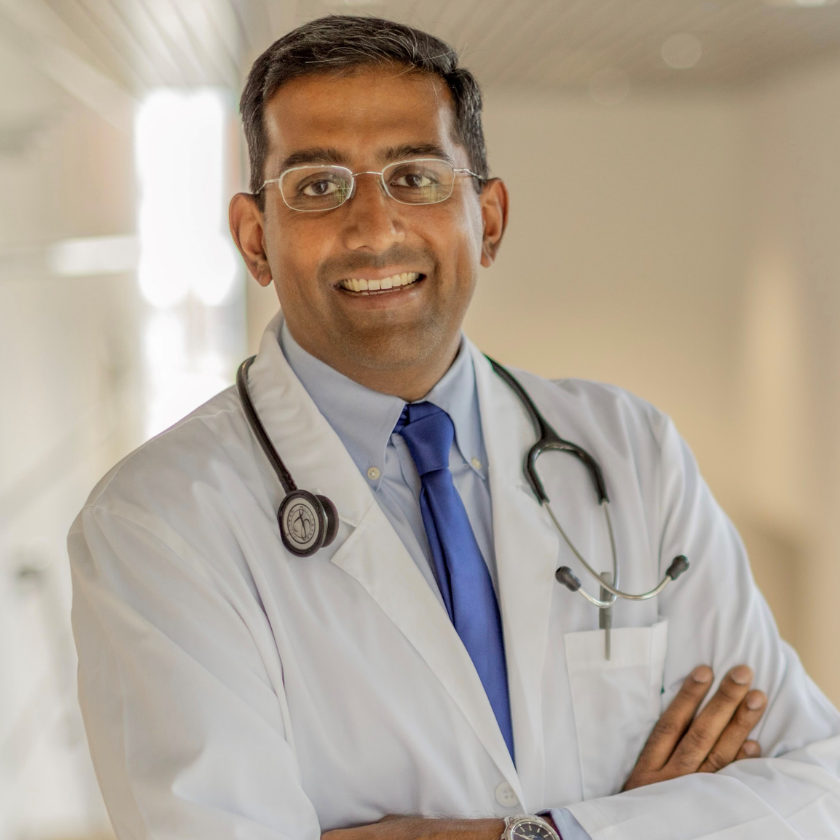
He serves as State Representative for the 30th Legislative District, which includes part of Hampton Township, and all of McCandless, Franklin Park, Ohio Township, Emsworth, Ben Avon, Ben Avon Heights, and Kilbuck.
Rep. Venkat is a fighter for accessible and affordable healthcare, investing in our first responders, protecting reproductive rights, curbing gun violence, expanding access to the ballot box for all voters, and getting more people back into the workforce.
His parents immigrated to the United States, and it was their hard work and commitment to service that inspired him to become a physician.
Rep. Venkat completed his undergraduate and graduate education at Harvard University, his medical education at Yale University, and his emergency medicine residency at the University of Cincinnati/University Hospital. He served as a member of the Board of the McCandless-Franklin Park Ambulance Authority and is a former president of the state emergency physicians organization.
Rep. Venkat currently lives in McCandless with his wife and three children.
The role of the arts
The arts ennoble us and are critical to the social, educational, civic, and economic life of Pennsylvania. Many residents of my district are leaders in the arts community of Western Pennsylvania. Students and families in my district are engaged in a variety of artistic activities. The school districts I represent have robust arts programs. State government should foster the arts. That is one of the reasons I am a member of the Arts Caucus in the General Assembly.
State investment
I would support raising our per capita investment to at least the 75th percentile among states and will advocate accordingly in our budget.
Challenges facing the sector
The most significant challenges are financial support of the arts and, with an aging population, how the arts can be accessible in all parts of the Commonwealth. I will continue to advocate for financial support for the arts with obligations to bring the arts to all parts of Pennsylvania.
Pennsylvania Council on the Arts
The Council on the Arts should be the primary liaison between state government and its support of the arts and the variety of arts organizations in the Commonwealth. Again, the key issues are funding and accountability. I have met with the Council on the Arts' leadership to make clear that they should continue to fulfill their long-standing mandates to support the arts in all its forms in Pennsylvania.
The creative workforce
As the only physician in the General Assembly, I have focused on making healthcare more affordable and accessible. I am a lead co-sponsor on HB 2550 that would create a state-level tax credit for small businesses to expand healthcare coverage and that has received wide bipartisan support. I believe that this legislation will be extraordinarily helpful to arts organizations if expanded to include small non-profits like a variety of arts organizations.
Abigail Salisbury (Democrat), House District 34
Abigail Salisbury was elected to the House in 2023 to represent the 34th Legislative District in Allegheny County.
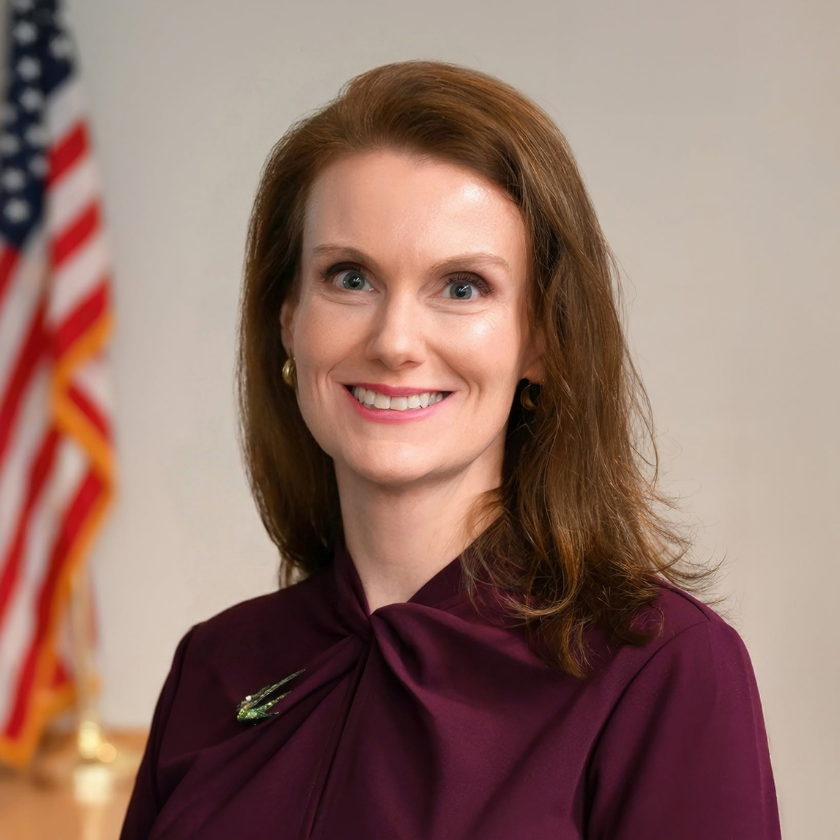
Salisbury was born in Conneaut, Ohio, and her family later moved to a suburb of Erie, PA. She graduated from Case Western Reserve University in 2004 and earned a law degree from the University of Pittsburgh School of Law in 2007. She also graduated from the Graduate School of Public and International Affairs at the University of Pittsburgh in 2013.
Earlier in her career, Salisbury worked on human rights and microfinance issues in Kosovo, Senegal, and Ethiopia. Salisbury went on to serve as the executive director of JURIST.org and to teach First Amendment law at the University of Pittsburgh, later establishing her own reduced-cost law practice for nonprofits and small businesses in Swissvale.
She served on Swissvale Borough Council for five years, spending two years as council president.
Key issues for Salisbury include updating infrastructure, standing up for human rights for all citizens, fostering small business development, supporting public schools, and preserving the environment.
Salisbury lives in Swissvale with her rescue dogs.
The role of the arts
Artists and storytellers show us their voice, their power and grace which arouses in us how we imagine being our most human selves. Places like the Mon Valley continue to need the inspiration, information and enlightenment that artists create, as well as the goods, services, and intellectual property born of creative work. State government should invest in communities by providing basic support grants and technical assistance for artists and their creative enterprises, especially in high-need geographical areas. Pennsylvania artists should be put on a level playing field with those in other states.
State investment
While I support improved state investments in the arts, Pennsylvania’s current flat-tax scheme makes us one of the 5 lowest-tax states in the union. Under our current taxation scheme, an appropriate level of investment should be benchmarked against similar low-tax states.
Challenges facing the sector
The most significant challenges in the arts are surely financial. Related policies and legislative actions should support a multi-faceted approach to increasing funding, and increasing the variety and number of funding sources for artists and art organizations.
Pennsylvania Council on the Arts
PA Council on the Arts’s role should be to enact state arts policy as described above. The legislature should actively monitor PCA’s progress and methods for doing so, and use incentives to encourage continual performance improvement there.
The creative workforce
If the federal government cannot manage to create a healthcare scheme insuring all Americans, then Pennsylvania should actively work to create an affordable state-level scheme to do so. This would do the most to stabilize our workforce capacity across all sectors, not just the arts.
Jessica Benham (Democrat), House District 36
Jessica Benham is the State Representative for Pennsylvania House District 36, covering portions of the City of Pittsburgh and its suburbs.
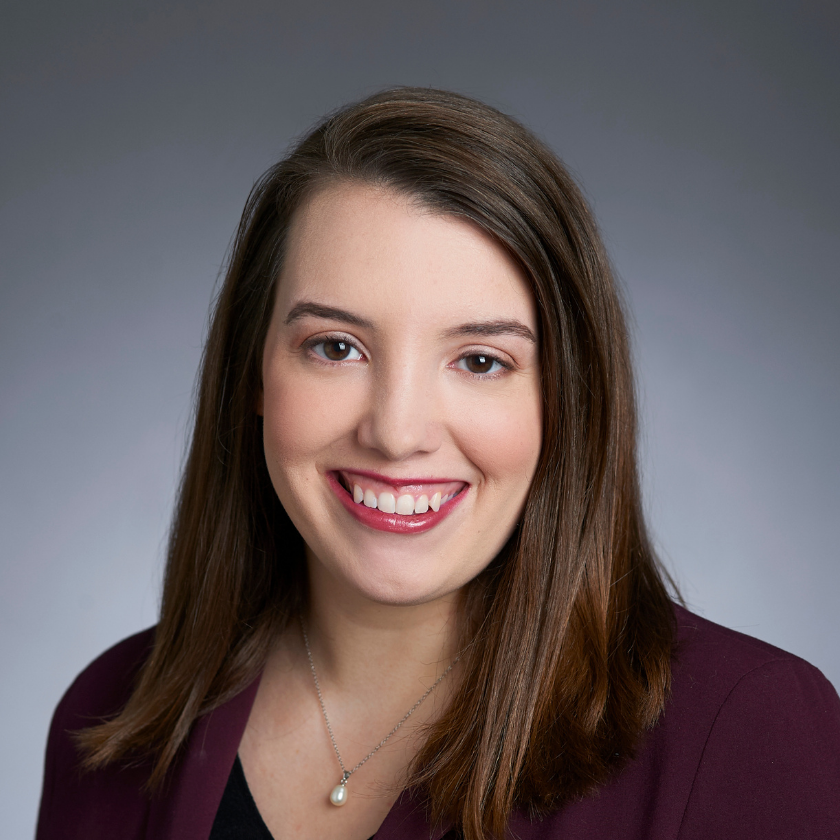
As a state representative, she has focused on increasing public safety, fighting for access to healthcare, a clean and healthy environment, fair funding for education, and LGBTQ and disability rights.
In 2024, the Governor signed her landmark healthcare legislation into law, which regulates the predatory middlemen to help stop them from raising prescription drug prices and putting pharmacies out of business.
Prior to her election, Jessica was the Director of Development for the Pittsburgh Center for Autistic Advocacy (PCAA). Jessica is an alum of the University of Pittsburgh, where she was involved in the effort to organize a union of graduate workers.
Jessica has BA degrees in Political Science and in Communication Studies from Bethel University, an MA in Communication from Minnesota State University, an MA in Bioethics and Ph.D in Communication from the University of Pittsburgh. She lives in the Southside Slopes with her cat, Ravi and dog, Teddy.
The role of the arts
Arts and culture are essential to social, educational, and economic life. We see this impact throughout our district. Organizations like Brewhouse Arts and City Theatre create opportunities for artists and audiences to engage with new ideas and experiences, while community initiatives like Art on Carson in the South Side make creativity visible and accessible in our everyday public spaces. These institutions and programs contribute to the character of our communities and help make our neighborhoods places where people want to live, work, and visit. State government has an important role to play in ensuring that these opportunities are available to all Pennsylvanians, regardless of their income or ZIP code, which means providing sustained public investment.
State investment
I was proud to support the increase in state arts funding in the FY 2026–27 budget, which included an additional $1 million for the Grants for the Arts line item, bringing it to approximately $10.59 million. This was the first increase in that funding line in 16 years, representing an important step forward after years of stagnant funding. However, this increase should just be a starting point. I support continued growth in the Commonwealth's investment in the arts. The additional $5 million that arts advocates sought during this year's budget process provides a useful benchmark for the scale of investment needed to begin addressing the need.
Challenges facing the sector
One of the most significant challenges facing Pennsylvania's arts and cultural sector is the mismatch between the value these organizations provide and the resources available to sustain their work. I would support a combination of sustained public funding, accessible grant opportunities, and policies that help organizations build long-term capacity.
Pennsylvania Council on the Arts
The Pennsylvania Council on the Arts should serve as a central partner in strengthening the Commonwealth's creative sector, which includes distributing public funding fairly, connecting artists and organizations with resources, and supporting arts education. I was glad to support the increase in arts funding in this year's budget, and I will continue working toward a stronger, more sustained state commitment. The Commonwealth should treat the Council as an essential partner in expanding access to the arts.
The creative workforce
At the state level, I would support increasing state arts appropriations including multi-year grant opportunities and funding for smaller organizations, supporting partnerships between arts institutions and other community organizations, expanding access to grants for facility improvements, and emphasizing investments in public art.
Jon Lloyd (Democrat), House District 40
Jon moved to Pennsylvania in 2013 and quickly planted deep roots in the community he now proudly calls home.
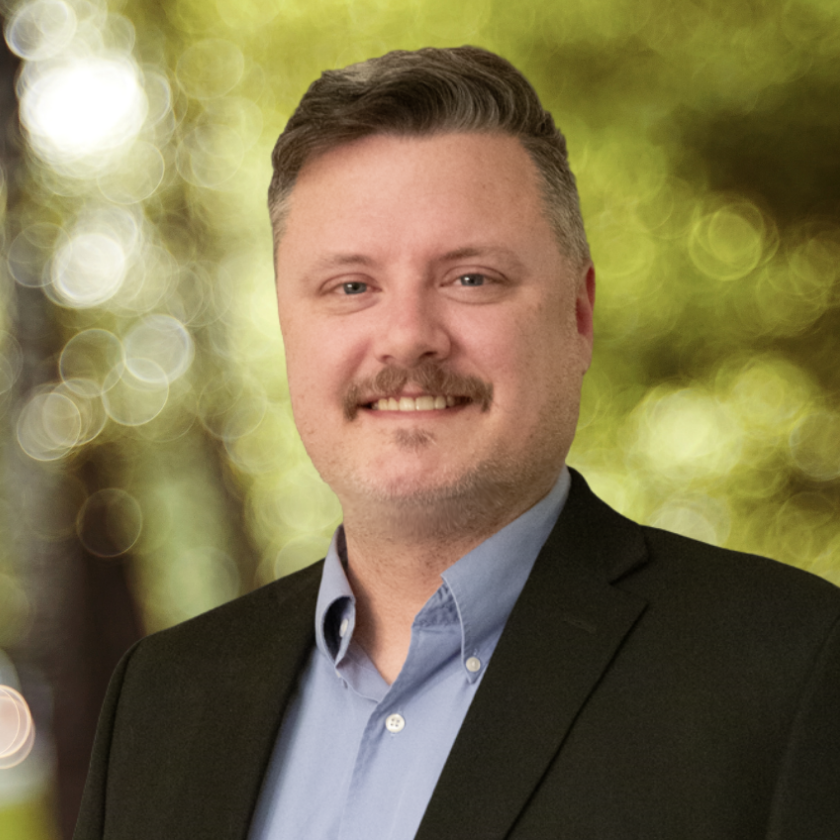
He and his wife, Nikki - married for 23 years - have raised three children in Bethel Park: Braden (22), a senior music education major at West Virginia University; Riley (19), a sophomore psychology major at Gannon University; and Noah, a senior at Bethel Park High School.
A lifelong learner and advocate for public service, Jon studied trumpet performance at the University of North Carolina and later completed master's-level work in organizational leadership at Trinity International University.
His commitment to public education and youth programs runs deep, he served as President of the Bethel Park Music Boosters for two years, the largest booster organization in the district, following previous terms as Vice President and Secretary. Jon also stepped up to run for Mayor of Bethel Park, demonstrating his dedication to local leadership and problem-solving in a campaign that drew a record-breaking turnout from the community.
Professionally, Jon brings over two decades of experience in the technology sector, with a career spanning public, private, and nonprofit organizations. His background gives him a practical understanding of innovation, workforce needs, and the importance of responsible economic growth.
The role of the arts
The arts are an absolutely crucial part of strong, vibrant communities. They bring communities together, create opportunities particularly for young people to express themselves and connect socially, and provide a significant boost to our local economies. This is also personal to me, as I'm a musician and all three of my children have been involved in instrumental music, choral music, and musical theater. My oldest son is now a high school music teacher, so I've seen firsthand how the arts in education helps to build confidence, discipline, and creativity that stay with students well after their years of school. State government should recognize the arts not only as a public good but also an important part of our economy. That means protecting the arts education in our public schools and providing funding for artists and cultural organizations regardless of zip code. I also believe we should be securing more funding for the creation of new creative spaces. Too often, the arts are treated as "extra" things that we support if the budget allows for it. I believe the arts are far more important than that.
State investment
I would definitely support continued growth in PA's investment in the arts, including increasing the Grants for the Arts appropriation to at least $15 million with a broader goal to make PA more competitive with our neighboring states. In Harrisburg, I would fight for increased funding during the budget process and work across the aisle to build support for that funding. I would also make sure that funding is accessible to artists and organizations including smaller, community-based organizations.
Challenges facing the sector
I consider the most significant challenges things like inconsistent funding, higher costs, unclear or difficult processes for smaller organizations and individuals to access funding, many legislators viewing the arts as optional or extrs, and protecting opportunities for future generations to pursue creative careers and participate in the arts. Through legislative actions like implementing sustained increases in arts funding, grant programs, and policies where community-based organizations can get greater access to public resources, we can make sure the arts remain a vital part of our cultural ecosystem in PA.
Pennsylvania Council on the Arts
I believe the role of the Council should be to serve as a strong advocate and functional partner for PA's entire arts and cultural ecosystem. It should also make sure that public investment actually reaches artists, schools, cultural organizations, and communities. As a legislator I would work to make sure the Council has sufficient staffing, funding, and resources. I would support leadership that actively engages with communities and arts organizations rather than leading passively. I would also work to make sure the Council has the flexibility and authority to respond to the changing needs of PA's creative sector.
The creative workforce
I believe our creative workforce, artists and arts organizations deserve the same economic security and dignity that we expect for every worker in PA. As mentioned, I would support increased and sustained funding that will allow arts organizations to provide fair compensation and employment. I would also support grant programs that provide direct support to artists and help organizations improve or maintain their own facilities. We also need policies that benefit freelance, contract, and part-time employment in the arts. These would include affordable healthcare, stronger protections for workers, and affordable housing. Ultimately, supporting the arts means actually supporting the people who create, teach, perform, produce, and advocate for them so that they can have sustainable careers in the arts here in PA.
James Julius (Republican), House District 45
James Julius is a husband, father of four, small business owner, and candidate for Pennsylvania's 45th House District.
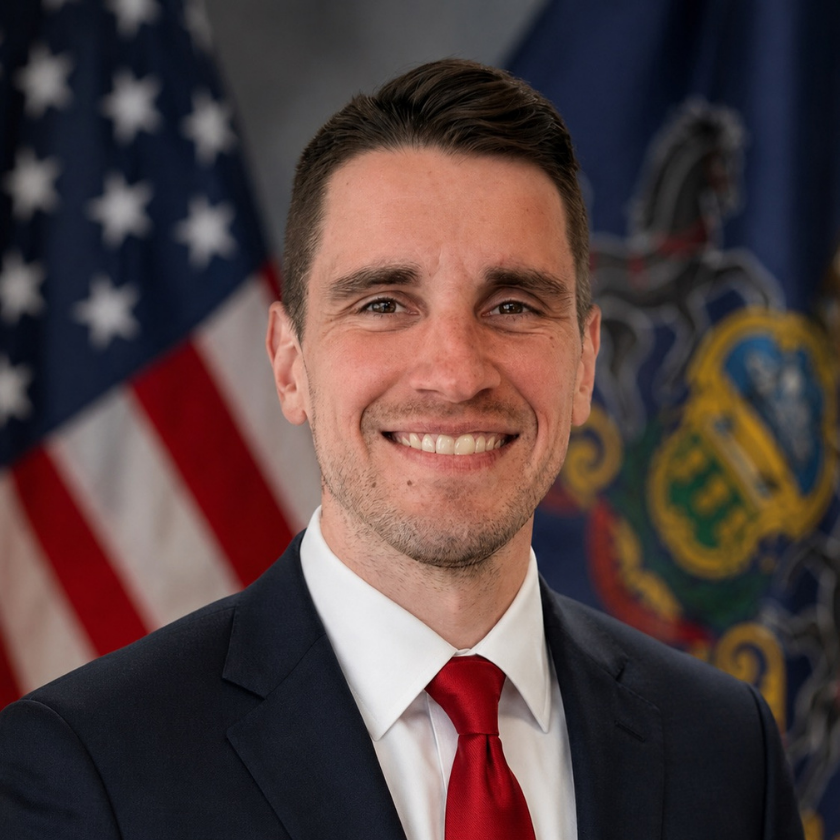
A Robinson Township resident, he founded a technology company in 2015 and brings practical experience building budgets, leading teams, and making difficult decisions.
He holds bachelor's and master's degrees in computer science and an MBA from Carnegie Mellon University's Tepper School of Business.
James serves his community as a Scouting volunteer and believes strong communities create opportunities for families, businesses, and local institutions to thrive.
He is running to bring practical problem-solving, fiscal accountability, and responsive representation to Harrisburg.
The role of the arts
Arts and culture help make our communities places where people want to live, work, and raise a family. They bring neighbors together, preserve our history, and create opportunities to participate in community life. In education, the arts build creativity, confidence, communication, and problem-solving—skills I value as a father and technology business owner. They also support jobs, attract visitors, and bring customers into nearby restaurants and shops. In the 45th District, community institutions such as the Andrew Carnegie Free Library & Music Hall show how education, history, and the arts can come together to serve residents across generations. State government should be a responsible partner in that work. That means supporting arts education, considering arts and cultural investments within a sustainable budget, and making funding opportunities accessible to smaller community organizations. Public support should have clear goals, transparent decisions, and accountability for how dollars are spent. The state should respect local priorities and artistic independence while helping communities sustain programs that serve their residents.
State investment
I would support responsible growth in Pennsylvania’s investment in the arts, with particular attention to arts education and community institutions that make programming accessible to families. The appropriate level should reflect demonstrated needs, measurable public benefits, and what the Commonwealth can sustain. I would not promise a specific dollar amount or per-capita ranking without reviewing those factors alongside our other obligations. Funding increases should have a dependable source of support so organizations can plan with confidence. As a legislator, I would meet with local arts organizations, educators, and municipal leaders to identify needs and barriers to participation. I would use those findings to advocate for targeted investments through the budget process and work with colleagues from both parties to advance them. I would also support simpler grant applications and transparent award criteria so smaller organizations have a fair opportunity to compete for funding.
Challenges facing the sector
I see several challenges: rising costs, unpredictable funding, and the difficulty of building a reliable customer or donor base while keeping programs affordable. Smaller organizations and independent artists also have limited time to navigate complicated grant applications and administrative requirements. As a business owner, I understand how difficult it is to plan, hire, and grow when you cannot predict what resources will be available. I would support clear, accessible grant programs, timely budget decisions, and a review of unnecessary administrative burdens. Accountability matters, but the paperwork should be reasonable for the size of the award and the organization receiving it. Long-term sustainability also requires opportunities to earn income, develop skills, and reach new audiences. I would support arts education and policies that help small businesses start and grow, including creative businesses. I would also work with local leaders to identify opportunities for shared facilities and partnerships among schools, cultural organizations, and businesses. My approach would be to listen to the people doing this work, identify where state policy can make a practical difference, and pursue investments we can sustain.
Pennsylvania Council on the Arts
The Council should help Pennsylvanians participate in the arts and help the organizations and individuals doing that work succeed. That includes administering grants fairly, supporting arts education, and providing practical guidance to organizations that may not have a dedicated grant writer or administrative staff. Its decisions should be transparent and responsive to communities across the Commonwealth. As a legislator, my responsibilities would be to fund that work responsibly, provide oversight, and address laws that prevent the Council from carrying out its mission effectively. I would support a sustainable budget tied to clear priorities and ask Council leadership to explain what is working, where gaps remain, and what resources or statutory changes would address them. I would expect leadership with relevant experience, sound financial judgment, and a willingness to listen to organizations of different sizes and from different regions. The Council should have the authority to do its job, with clear accountability for public dollars and respect for artistic independence.
The creative workforce
As a business owner, I know that an organization cannot build a stable workforce if it cannot reliably cover payroll, benefits, and the space it operates in. Artists and arts employees deserve to have their time and skills valued, and organizations need realistic budgets that account for the people delivering their programs. I would support grant policies that recognize reasonable compensation, operating expenses, and facility needs as legitimate costs. Timely award decisions and payments would also help organizations manage cash flow and make commitments to employees. For creative businesses and independent artists, I would work to make sure state small-business assistance and financing programs are accessible, with clear eligibility requirements and applications that people can reasonably navigate. I would also support paid training opportunities and partnerships that help people build both creative and business skills. Health care affordability is another challenge I would address through broader efforts to increase competition, improve price transparency, and expand access to providers. These investments should fit within a sustainable budget and help organizations build lasting financial stability. My focus would be on practical changes that make it easier to earn a living, employ people, and keep serving the community.
Lois Bower-Bjornson (Democrat), House District 50
Lois Bower-Bjornson is a native of Fredericktown. Lois attended Bethlehem Center schools, upon graduation she earned a dual degree from West Virginia University.
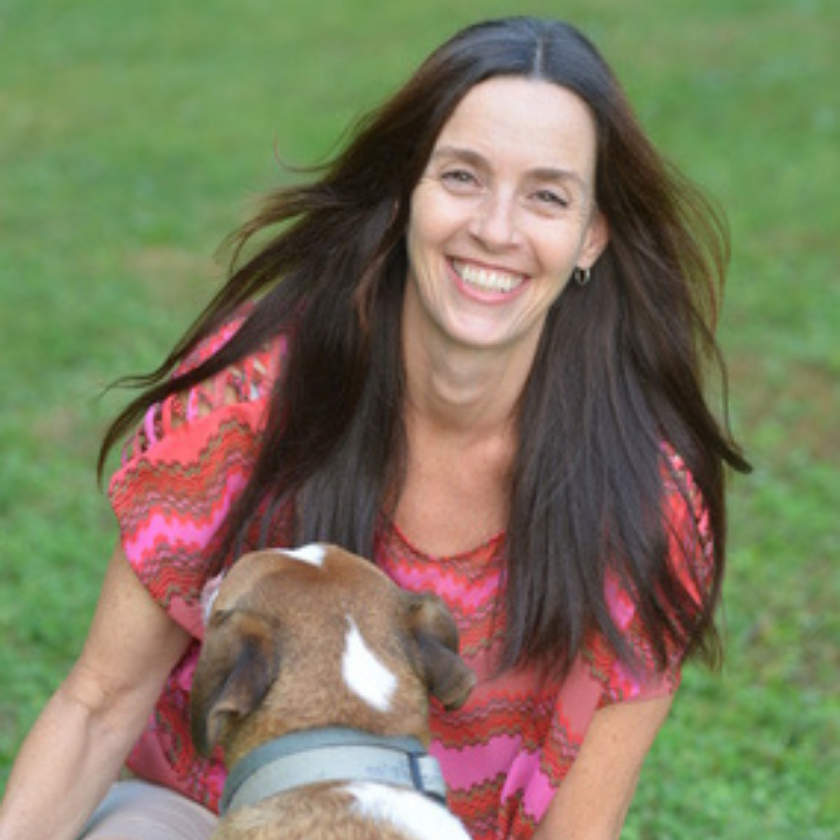
Lois was awarded a two-year scholarship for her academic and artistic ability. She was a member of Orchesis while attending WVU. Lois's artistic endeavors have taken her all over the tri-state area.
A dancer by trade, she danced professionally in the Pittsburgh area. Lois was one of the founding members of LABCO the sister company to the former Dance alloy. Lois also enjoyed numerous years in the modeling industry. In addition Lois taught both recreationally and professionally at various schools in and around the Pittsburgh area.
Lois is the mother of four. Three boys and a girl. Lois is the owner and operator of two micro businesses, in addition to her businesses she is the Southwestern Pennsylvania field organizer with Clean Air Council and the host of Frackland tours. Frackland tours were implemented to give people a firsthand account of what it is like to live and grow up and the shale fields of Southwestern Pennsylvania.
Lois's environmental work has allowed her to help communities, people that live there to better protect themselves from industry. She has hosted media from local, to regional, national and international reporters. Lois's expertise regarding environmental issues around Oil & Gas has taken her abroad to speak on behalf of people living in southwestern Pennsylvania.
The role of the arts
I believe the arts play a huge role. Arts should be implemented into every school from elementary all the way to high school and into college. During my teaching career, I worked at two elementary schools and their afterschool programs to teach children dance. This was affordable for parents and convenient. All of my children have attended Lincoln park performing arts charter school. The arts teach children to be self-aware, confident, and self starters. These are tools that every human being needs. The arts also teach children to not be afraid and that they can stand alone on their accomplishments. All arts can generate income, whether it is a private business or instructors, teaching in schools, universities, or different studios, both recreationally and professionally. State government's role should be implemented when supporting the arts. There should be as much attention paid to the arts as there is to sporting programs in schools.
State investment
I would want as much money spent on the arts as there are in sporting programs. At the very least, the arts should be given the same consideration. This gives students choices along with remembering that every child is not the same and not all of them want to play sports.
Challenges facing the sector
The Commonwealth of Pennsylvania does a good job contributing to the arts. I'm not sure what the challenges would be facing the ecosystem other than possibly adding more contributors to it. I will support any policies or legislative actions to strengthen donations and donors.
Pennsylvania Council on the Arts
The council should continue to support the arts and strengthen them. In order to do this, they must be allowed to receive funds such as grants or public and private donations. As a legislator, I would continue to support the council to allow further resources and the necessary authorities to ensure the agency.
The creative workforce
I understand this as I was a starving artist. You work other jobs to support your Art. Those who are artist should be allowed the same benefits that other employees have through their jobs. Things like the actors union help artist to remain protected and apply for benefits. Once people's perspective starts to change, that the arts are not just a hobby that they are a lifelong career there will be more recognition, therefore, allowing artist to be eligible for the benefits that other workforce participants have.
Candidates who did not respond by deadline
Creative Pennsylvania contacted the candidates for governor. The Arts Council contacted the following candidates but did not receive a response:
U.S. House of Representatives
- Summer Lee (D), PA-12
- James Hayes (R), PA-12
- Guy Reschenthaler (R), PA-14
- David Alan Bradstock (D), PA-14
- Chris Deluzio (D), PA-17
- Tony Guy (R), PA-17
Pennsylvania State Senate
- Patrick J. Stefano (R), District 32
- Jacob Cecil (D), District 32
- Thomas West (R), District 38
- Camera Bartolotta (R), District 46
- Jodi Borello (I), District 46
Pennsylvania House of Representatives
- Roman Kozak (R), District 14
- Jake Young (D), District 14
- Joshua Kail (R), District 15
- Sydney Speicher (D), District 15
- Robert Matzie (D), District 16
- John Costanza (R), District 16
- Aerion Abney (D), District 19
- Emily Kinkead (D), District 20
- Joseph Aguglia (R), District 20
- Lindsay Powell (D), District 21
- Dan Frankel (D), District 23
- La'Tasha Mayes (D), District 24
- Brandon Markosek (D), District 25
- Amy Noone (R), District 25
- Dan Deasy (D), District 27
- Jeremy Shaffer (R), District 28
- Jeremy Ferderber (D), District 28
- Libby Blackburn (R), District 30
- Mandy Steele (D), District 33
- Michael Francis Hammill (R), District 33
- Dan Goughnour (D), District 35
- Jim Edwards (R), District 35
- Timothy McCune (R), District 36
- John Inglis (D), District 38
- Stone Sobieralski (R), District 38
- Andrew Kuzma (R), District 39
- Dylan Altemara (D), District 39
- Natalie Mihalek (R), District 40
- Jennifer Mazzocco (D), District 42
- Valerie Gaydos (R), District 44
- Hadley Haas (D), District 44
- Brittany Bloam (D), District 45
- Jason Ortitay (R), District 46
- Michael Crossey (D), District 46
- Tim O'Neal (R), District 48
- Rebecca MacTaggart (D), District 48
- Benjamin Humble (R), District 50
We were unable to find a current campaign email address or campaign social media account to contact the following candidates.
- Joe McAndrew (D), House District 32
- Gary Motor (R), House District 32